Why Choose a Bread Oven for Home Baking?
A bread oven for home baking can transform an ordinary kitchen into a more controlled baking space. Unlike a standard oven, it is designed to retain intense heat and support the conditions that artisan bread requires. Its thick walls, baking stone, or steel surface can create stronger oven spring, crispier crusts, and more evenly developed loaves. The result is not merely attractive bread. It is a more deliberate baking process.
Heat matters greatly.
In practical use, a dedicated bread oven may reach high temperatures more steadily than many household ovens. This stability helps bakers manage dough expansion, steam, and crust color with greater confidence. A loaf placed on a heated stone may crack along its score instead of spreading unevenly. Steam can keep the surface flexible during the first minutes, allowing the crumb to rise before the crust sets. These details are small, but they often change the final texture.
Still, a bread oven is not an effortless solution. It requires space, ventilation awareness, careful preheating, and a willingness to learn from failed loaves. My own experience suggests that temperature readings are useful, but they never replace observation. Dough hydration, flour quality, shaping, and fermentation remain equally important. Some models also consume substantial energy, while others need longer preparation than expected. Choosing wisely means comparing capacity, temperature control, cleaning demands, and safety features. A reliable oven should support consistent results, not promise perfection. Good bread still depends on patient hands, accurate measurements, and honest adjustments after every bake.
What Is a Bread Oven and How Does It Work?
Why Choose a Bread Oven for Home Baking?
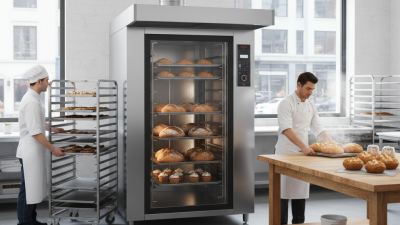
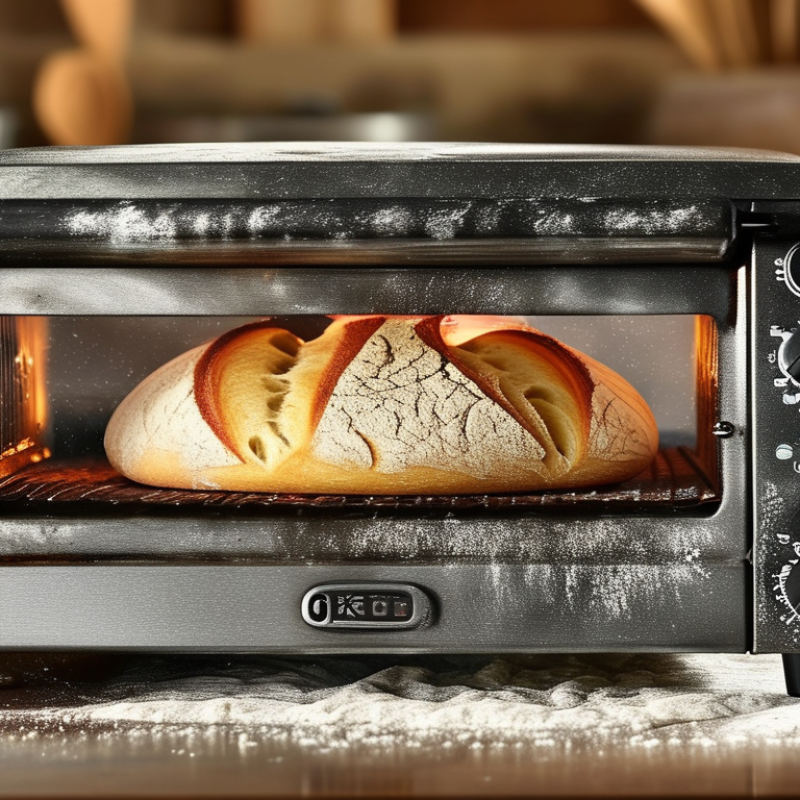
A bread oven is a dedicated appliance designed to produce strong, steady heat for baking loaves. Unlike a standard oven, it often uses an insulated chamber, heating elements, and a baking stone or steel. These parts work together to transfer heat into the dough quickly. The hot surface supports oven spring, while surrounding heat helps the loaf bake evenly.
Steam is another important feature. Many bread ovens include a steam tray, injector, or sealed baking chamber. Steam keeps the dough’s surface flexible during the first minutes of baking. This allows the loaf to expand before the crust becomes firm. Later, dry heat creates a crisp, browned exterior. The process is simple in principle, but small changes matter. A few degrees can affect crust color, crumb texture, and baking time.
In my experience, preheating remains easy to underestimate. A display may show the target temperature while the baking surface is still warming. An infrared thermometer can check the stone more accurately. I also watch the dough, not just the timer. A pale crust may need more dry heat, while a dark top can signal excessive radiant heat. I still misjudge hydration sometimes. That mistake reminds me that the oven supports good technique; it cannot replace it. Clean airflow, careful loading, and measured steam make the results more consistent.
Which Bread Oven Features Matter Most?
A good bread oven should control heat steadily, not merely reach a high temperature. In home baking, stable heat supports better oven spring and a thinner, more even crust. Look for accurate temperature control and a clear display. Some ovens show 250°C, yet the baking chamber may vary widely. That difference matters.
Steam capability is another important feature. Steam keeps the dough surface flexible during the first minutes of baking. A built-in steam system is convenient, but a simple water tray can also work. I prefer an oven with strong insulation, a sealed door, and a visible window. These details reduce heat loss and make checking the loaf safer. A baking stone or thick steel surface helps transfer heat into the dough’s base. Size matters too. A compact oven may suit one loaf, while larger models allow space for rolls or a Dutch oven. More space is not always better.
Cleaning should be considered before purchase. Flour and baked-on starch collect around doors, vents, and steam outlets. Removable trays make maintenance easier. Safety features also deserve attention, especially cool-touch handles and automatic shutoff. I once chose a powerful oven with poor temperature recovery. The first loaf looked impressive, but later batches baked unevenly. That experience changed my priorities. Easy controls, reliable heat, and practical cleaning often matter more than extra programs. I still occasionally overbake the crust, especially when testing unfamiliar dough hydration.
How Does a Bread Oven Compare With a Standard Oven?
A bread oven is designed around one task: creating strong heat and controlled steam for dough. A standard oven is more versatile, but its wider cavity can lose heat when the door opens. In home test bakes, a dedicated bread oven produced a thinner, crisper crust and better oven spring. The loaf also browned more evenly near the base. However, the difference was not magical. Dough temperature, fermentation, and shaping still mattered greatly.
Standard ovens remain practical for families who bake occasionally. They can handle bread, vegetables, cakes, and larger meals without extra equipment. With a preheated baking stone, a covered pot, or a small tray of hot water, they can imitate several bread-oven conditions. Their main weakness is moisture control. Steam may escape quickly, and the crust can harden before the loaf finishes expanding. I once blamed my oven for a dense loaf, but poor proofing was the real problem.
Tips: Preheat fully, and use an oven thermometer to check the actual temperature. Add steam only when the oven safely allows it. Keep the door closed during the first ten minutes. Watch the crust, not just the timer. A bread oven can shorten recovery time between bakes, but it may use valuable counter space and require a learning period. For occasional bakers, a standard oven with simple accessories may offer better value. For frequent bakers, the dedicated design can make repeatable results easier, though not every bake will improve.
What Should Home Bakers Consider Before Choosing One?
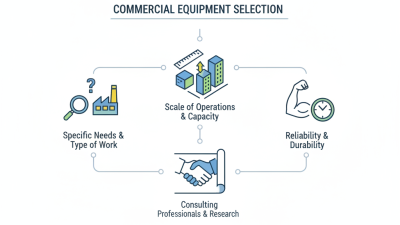
Choosing a bread oven for home baking starts with your kitchen, not the appliance’s appearance. Measure the counter and nearby clearance carefully. A compact oven may suit one loaf, but a larger family often needs more capacity. Think about storage, ventilation, and electrical requirements before buying.
Temperature control matters greatly. In my baking experience, stable heat produces better crust and more even color. Look for clear settings, reliable insulation, and a door that seals firmly. Steam is another consideration. Some ovens provide it directly, while others require a separate tray or spray method. Handle steam carefully; hot vapor can burn skin quickly. Safety first.
Your dough style should guide the choice. A sourdough boule may need strong initial heat, while rolls benefit from gentler, consistent baking. Check the usable interior dimensions, not only the advertised capacity. A tall loaf can touch the heating element. That is a frustrating mistake. Cleaning also deserves attention, especially after flour spills or melted butter. Removable trays help, but they are not always easy to wash. Fuel costs, power consumption, noise, and repair access affect long-term value. I once focused too much on maximum temperature and overlooked recovery time after opening the door. That choice taught me to compare practical performance, not impressive numbers. A dependable oven should fit your recipes, routine, and willingness to keep learning.
Why Choose a Bread Oven for Home Baking?
A dedicated bread oven can be useful for bakers who regularly make lean artisan loaves that require strong initial heat and steam. The chart shows representative temperature ranges commonly used for different bread styles.
What home bakers should consider: Check the oven’s maximum temperature, steam capability, heat recovery, chamber size, power requirements, ventilation, cleaning effort, and available counter space. A conventional oven is often sufficient for enriched and sandwich breads, while frequent sourdough or lean-bread baking may benefit more from dedicated heat and steam control.
Temperature ranges are representative settings commonly used in home bread recipes; exact requirements vary by dough formula, loaf size, and baking method.