2026 Best Double Door Ovens for Global Buyers?

Choosing the best double door oven for 2026 requires more than comparing cavity size or stainless-steel finishes. Global buyers face different voltage standards, installation depths, cooking habits, and energy labels. A model suitable for a European apartment may fail in a commercial-style kitchen. Small details matter.

The International Energy Agency’s Energy Efficiency Market Report 2023 shows that appliance efficiency remains central to household energy planning. ENERGY STAR testing guidance also reminds buyers to compare measured performance, not advertising language. Meanwhile, market studies from Grand View Research and Euromonitor International indicate continued demand for premium cooking appliances, although their categories may combine single, double, and built-in ovens. The data is useful, but not perfectly specific.

Circana home-industry advisor Joe Derochowski has offered a practical consumer insight: “Consumers are looking for appliances that make life easier.” That principle fits a double door oven with independent temperature controls, clear glass panels, stable hinges, and accessible service support. Look closely. A wide lower door can become awkward in a narrow kitchen. A powerful upper cavity may also increase heat and ventilation requirements.

This guide evaluates 2026 models through capacity, heating consistency, controls, safety, energy use, warranty coverage, and regional compatibility. It also considers real ownership: opening both doors during a busy dinner, cleaning baked-on grease, and finding replacement parts after several years. Some rankings remain subjective. Buyers should verify local certification, voltage, plug type, and installation rules before purchasing.

2026 Best Double Door Ovens for Global Buyers?

What Is a Double Door Oven and How Does It Work?

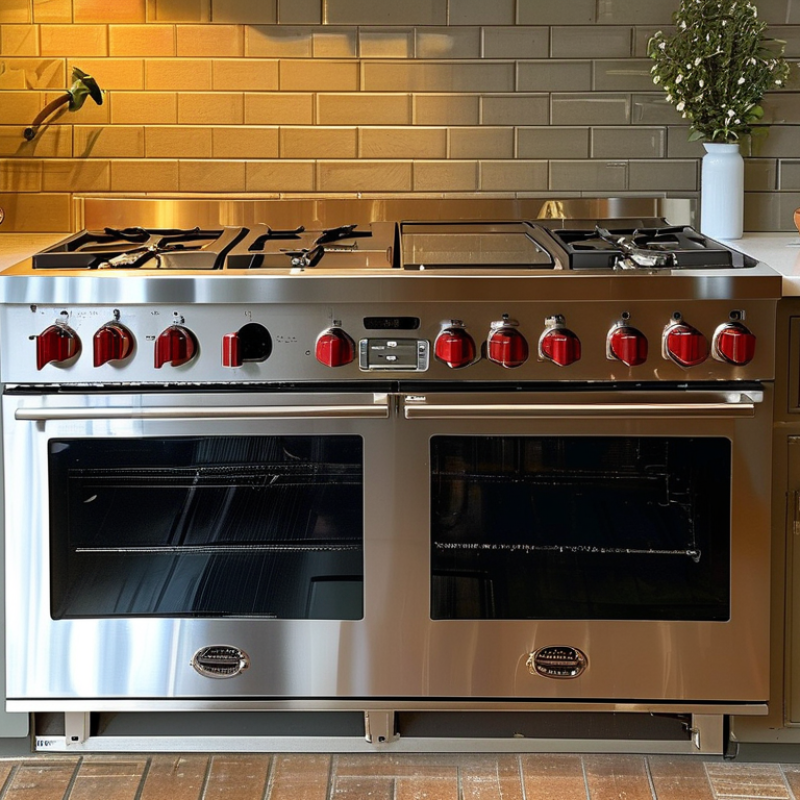
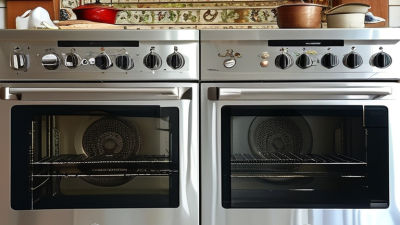
A double door oven is an appliance with two independently opening doors or two separate cooking compartments. The term is not perfectly standardized. Some models have stacked cavities, while others use French-style doors on one large cavity. That distinction matters. Buyers should inspect the internal layout, not rely only on the product title.

In a two-cavity design, each chamber usually has its own heating elements, thermostat, and control settings. You can roast vegetables at 200°C in one section while baking bread at a different temperature above it. Fans may circulate hot air, reducing uneven browning.

Heat moves upward. Therefore, the upper cavity can behave differently from the lower one during long cooking sessions. A properly sealed door should feel firm, with no visible gaps around the gasket.

A practical check involves opening both doors, measuring the installation space, and confirming ventilation clearance. Door handles should remain cool enough for normal use, although surfaces may still become hot. Buyers also need to match the oven’s voltage, frequency, plug type, and electrical load with local requirements. An adapter cannot correct an incorrect voltage. This is often overlooked. Energy use may also rise when both cavities operate together, even if each compartment seems efficient alone. Reviews, technical manuals, and qualified installation advice are more reliable than attractive capacity claims. One final uncertainty remains: “double door” may describe appearance rather than true independent cooking, so ask for cavity dimensions and heating controls before ordering.

Key Features to Compare in 2026 Double Door Ovens

When comparing 2026 double door ovens, start with usable capacity, not advertised litres. Two independent cavities can cook vegetables at 180°C while meat roasts at 220°C. That separation saves time during busy service. Check whether both cavities support convection, grilling, and independent temperature control. Some lower-priced models share one heating system. That weakness is easy to miss.

Energy performance deserves closer attention. The International Energy Agency’s Energy Efficiency 2024 report identifies appliances as a major source of household electricity demand. Compare standby consumption, insulation quality, and heating recovery time. A well-sealed triple-glazed door keeps the outer surface cooler. It also reduces heat loss during repeated opening. Still, energy labels differ across regions, so buyers should verify the local testing standard. Numbers are not always directly comparable.

Global buyers should examine voltage, frequency, plug configuration, and installation clearance before ordering. A 220–240V oven may not suit every market. Look for child locks, automatic shutoff, cool-touch handles, removable racks, and accessible service parts. The U.S. Department of Energy’s appliance test procedures show why standardized testing matters, but real kitchens remain less predictable. Ask for temperature calibration data, cavity dimensions, warranty terms, and spare-part availability. Touch controls look modern. Physical knobs may prove more dependable with wet hands. Multi-function displays can also confuse older users, which is an uncomfortable design detail worth considering.

Best Double Door Oven Types for Different Global Kitchens

Double door ovens suit global kitchens because they separate cooking tasks without requiring two separate appliances. The most common type is a stacked double oven, with one cavity above another. It works well in tall cabinets and busy family kitchens. A side-by-side model offers easier access, but it needs wider cabinetry and more wall space. Some kitchens also use two independent ovens with different heating systems, such as convection and steam.

Kitchen habits should guide the choice. In compact European apartments, a stacked unit can preserve valuable counter space. Larger North American kitchens may prefer wide cavities for roasting trays and holiday meals. In warmer regions, strong door insulation helps reduce heat entering the room. Households using different cookware should check cavity width, rack positions, voltage, and ventilation requirements. Small details matter. A deep tray may fit one oven but block the other door. I have seen plans fail because cabinet clearance was measured only from the front. That mistake is easy to repeat.

Tips: Measure the full opening, including door swing and handle depth. Check whether local electricians support the required load. Test the control height for every user, especially in homes with children or older adults. Choose simple controls if several family members share the kitchen. Energy labels can help, but compare real cooking modes, not only headline ratings. A quieter cooling fan may also matter in open-plan homes. It is not always the obvious feature. Recheck the installation guide before ordering, because regional standards and service access can differ.

2026 Best Double Door Ovens for Global Buyers

Best double-door oven types for different global kitchens

Side-by-Side Double Oven

A practical choice for wide kitchens, offering simultaneous access at a comfortable working height.

French-Door Double Oven

Suitable for users who want wide oven access with less forward reach, especially in family kitchens.

Stacked Double Wall Oven

Best for tall cabinetry layouts and high-volume cooking, but it requires sufficient vertical installation space.

Compact Double Oven

A space-efficient option for apartments, smaller European kitchens, and light-to-moderate cooking needs.

The chart compares typical combined cavity capacity ranges commonly found across international residential double-oven configurations. Actual capacity varies by installation format, cooking modes, and regional cabinet standards.

Safety, Energy Efficiency, and Installation Requirements

For global buyers, a double door oven should be judged beyond cooking capacity. Safety begins with cool-touch doors, reliable hinges, interior lighting, and a child-lock function. Check the door seals carefully; a loose seal can waste heat and create hot cabinet surfaces. Residual-heat indicators are useful, especially in homes with children. Do not assume every safety feature is included.

Energy efficiency depends on insulation, heating control, and daily habits. Convection cooking can shorten cooking time and reduce heat loss. However, running two cavities together may increase electrical demand sharply. An energy label helps, but it does not replace real usage data. Compare standby consumption, preheating time, and cooking modes. I would also question impressive efficiency claims without independent testing or clear technical documents.

Installation requires accurate measurements, not guesswork. Confirm the cabinet opening, ventilation gaps, door clearance, and floor strength before ordering. Electrical requirements vary between regions, including voltage, frequency, plug type, and circuit capacity. A qualified local electrician should verify earthing and protection devices. Built-in units may need a dedicated circuit. Never rely on an adapter to solve an incompatible connection. Leave room for service access. This detail is often forgotten. Local building rules and the installation manual should control the final decision, even when an online product sheet suggests an easy fit.

How to Choose the Right Double Door Oven for Your Market

How to Choose the Right Double Door Oven for Your Market

Choosing a double door oven starts with the cooking habits of your target market. A busy bakery may need large trays, steady heat, and fast recovery between batches. A smaller restaurant may value flexible rack spacing more than maximum capacity. Measure the kitchen entrance and service path before ordering. A powerful oven is useless if it cannot pass through the doorway.

Check the local electrical supply carefully. Voltage, frequency, phase, and plug design must match the installation site. Gas models also require compatible fuel pressure, safe ventilation, and qualified installation. These details vary between countries. Ask for test reports and market-required certifications before making a purchase. Do not rely only on a supplier’s general product sheet.

Door construction matters in daily use. Strong hinges, heat-resistant seals, and clear viewing windows can reduce heat loss and cleaning time. Two separate doors may help staff manage different cooking zones, but they can also increase maintenance points. My own early mistake was judging ovens by capacity alone. I later found that insulation quality and service access affected operating costs more than expected. Leave space for airflow and repairs. Small planning errors become expensive.

2026 Best Double Door Ovens for Global Buyers? - How to Choose the Right Double Door Oven for Your Market

Market-oriented comparison of common built-in double-cavity electric oven configurations

Market / Region Typical Electrical Supply Recommended Oven Format Typical Total Usable Capacity Common Cavity Configuration Typical Product Width Recommended Installation Useful Cooking Functions Key Compliance Considerations Best Fit for Local Buyers
United States & Canada Usually 120/240 V, 60 Hz for residential built-in electric ovens; confirm the local circuit requirement. Two vertically stacked electric cavities or a large upper cavity with a smaller lower cavity. Approximately 5.0–10.0 cu. ft. total usable capacity, depending on cavity size. Large main cavity plus compact secondary cavity; simultaneous cooking at different temperatures is a major benefit. Commonly 27 or 30 in.; 30 in. is widely used for larger household installations. Built-in wall installation with dedicated electrical wiring and cabinet ventilation clearance. Convection, bake, broil, roast, proofing, temperature probe, self-cleaning and delayed start. Electrical rating, cabinet cutout dimensions, thermal protection, grounding and applicable North American safety certification should be verified. Large households, frequent holiday cooking, multi-dish cooking and replacement wall-oven projects.
European Union Generally 220–240 V, 50 Hz; household installation commonly uses a dedicated circuit. 60 cm built-in double oven or compact double-cavity oven for standard European kitchen modules. Approximately 70–115 L total gross capacity, with usable capacity varying by model. One full-size cavity with a smaller secondary cavity, or two medium cavities for flexible everyday use. Commonly 60 cm; compact models may be approximately 45 cm high or use reduced cavity dimensions. Built-in column, under-counter or eye-level installation, subject to the selected cabinet design. Fan-assisted cooking, conventional heat, grill, defrost, pizza mode, rapid preheat and low-temperature cooking. Energy-labelling rules, electrical safety, appliance dimensions, standby energy and market-specific conformity requirements must be checked for the destination country. Urban kitchens, apartment renovations, standard modular cabinetry and buyers prioritising space efficiency.
United Kingdom & Ireland Usually 220–240 V, 50 Hz; many domestic installations use a dedicated high-load circuit. Built-in double oven with a full-size main cavity and a smaller top cavity, often including a grill. Approximately 70–115 L total gross capacity. Top cavity with grill function plus a larger lower cavity for roasting and baking. Commonly 60 cm wide; cabinet height varies between compact and full-height models. Built-in housing or tall housing unit with precise ventilation and electrical clearances. Fan cooking, conventional cooking, grill, slow cooking, defrost, rapid heating and programmable timer. Plug, hard-wiring method, circuit protection, appliance ventilation and UK or Irish conformity requirements should be confirmed before shipment. Family kitchens and buyers who want a separate grill cavity without installing two independent ovens.
Australia & New Zealand Typically 220–240 V, 50 Hz; installation normally requires a dedicated circuit sized for the appliance load. Large built-in double electric oven, often with a separate grill cavity. Approximately 80–120 L total gross capacity. Large lower baking and roasting cavity with a smaller upper grill or auxiliary oven cavity. Commonly 60 cm; wider formats are available for larger kitchen designs. Built-in under-bench or tall cabinet installation with adequate heat-resistant ventilation space. Fan-forced cooking, grill, roast, pizza, pastry, defrost and programmable cooking controls. Local electrical safety approval, installation instructions, plug or hard-wire specification, energy information and ventilation requirements must be checked. Large families, baking-focused users and homes requiring a dedicated grill or secondary cooking cavity.
Japan Residential supply is commonly 100 V, 50 or 60 Hz; higher-power built-in ovens may require a specific circuit and compatible rating. Compact double-cavity or compact oven-and-grill format suited to smaller kitchen modules. Approximately 35–80 L total gross capacity, depending on the compact or full-size configuration. Smaller upper grill or auxiliary cavity combined with a conventional or convection oven. Often narrower or more compact than standard European 60 cm formats; verify the exact cutout. Compact built-in or integrated kitchen installation with careful attention to power load and ventilation. Convection, grill, reheating, defrost, steam-assisted cooking and preset menu programmes. Voltage, frequency, plug configuration, Japanese electrical safety requirements and installation dimensions require close verification. Compact homes, apartment kitchens and buyers who value grilling, reheating and space-saving functions.
India Generally 230 V, 50 Hz; voltage fluctuation protection may be valuable in some distribution areas. Built-in double electric oven for premium kitchens, or a compact oven-and-grill configuration. Approximately 60–110 L total gross capacity. Large lower cavity with upper grill or secondary oven cavity for parallel cooking. Commonly 60 cm for built-in kitchens; compact models may use different cabinet dimensions. Built-in installation with strong ventilation, heat-resistant cabinetry and a properly rated circuit. Convection, grill, rotisserie, baking, roasting, pizza mode and multi-stage cooking. Electrical safety, earthing, heat clearance, local conformity requirements and performance under voltage variation should be evaluated. Premium residential projects, hospitality apartments and households that cook several dishes simultaneously.
Middle East Commonly 220–240 V, 50 Hz; confirm the destination country's plug and electrical requirements. High-capacity built-in double electric oven with strong roasting and grilling capability. Approximately 80–120 L total gross capacity. Full-size lower cavity with upper grill or auxiliary cavity for large meals and simultaneous preparation. Commonly 60 cm; 90 cm formats may suit larger villa or professional-style kitchens. Built-in installation with enhanced ventilation and cabinet materials suitable for high ambient temperatures. Convection, grill, rotisserie, roast, pizza, rapid preheat, keep-warm and programmable timer. Destination-country conformity, ambient-temperature testing, cooling performance, door insulation and electrical protection should be checked. Large households, villa kitchens, festive cooking and buyers needing high capacity and robust roasting functions.
Southeast Asia Often 220–240 V, 50 Hz, but electrical standards differ by country; verify voltage, plug and circuit requirements. Space-efficient built-in double oven or oven-and-grill combination with strong cooling performance. Approximately 60–105 L total gross capacity. Medium or large lower cavity paired with a compact grill or auxiliary cavity. Commonly 60 cm; compact-width and compact-height versions may be preferred for apartments. Built-in installation with sufficient ventilation for warm and humid environments. Fan-assisted cooking, grill, baking, roasting, steam-assisted options, defrost and preset menus. Moisture resistance, cooling airflow, corrosion-resistant materials, electrical conformity and local installation practices should be assessed. Urban apartments, condominium developments, modern home projects and buyers with limited kitchen space.
Latin America Voltage and frequency vary by country, including 110–127 V or 220–240 V and 50 or 60 Hz; destination-specific verification is essential. Flexible built-in double electric oven or electric oven with a separate grill cavity. Approximately 65–115 L total gross capacity. Large main cavity plus smaller upper cavity, with grilling and roasting commonly prioritised. Commonly 60 cm; confirm local cabinet standards and available replacement dimensions. Built-in or under-counter installation with dedicated wiring and reliable heat dissipation. Convection, grill, bake, roast, rotisserie, pizza mode and programmable timer. Country-specific voltage, frequency, plug, grounding, safety certification and service-part availability should be confirmed. Family cooking, roasting, baking and residential developments with standard built-in kitchen modules.
Africa Many markets use 220–240 V, 50 Hz, but local voltage, plug type and grid stability vary considerably. Robust double electric oven with simple controls and strong thermal insulation. Approximately 65–115 L total gross capacity. Full-size lower oven with smaller upper oven or grill cavity. Commonly 60 cm, subject to local housing and kitchen-module dimensions. Built-in installation with adequate ventilation, surge protection and accessible service space. Conventional heat, fan cooking, grill, roast, bake, rotisserie and easy-clean enamel interior. Grid variation, surge protection, grounding, local certification, spare parts and after-sales service capability should be considered. Family homes, hospitality projects and buyers who prioritise durability, simple operation and serviceability.

Buyer checklist: Before final selection, confirm the destination voltage and frequency, cabinet cutout dimensions, connected electrical load, ventilation clearance, door-opening space, local conformity requirements, warranty coverage and availability of replacement parts. Capacity figures are typical market ranges; usable capacity and installation requirements vary by model.