A pizza deck oven is a purpose-built baking chamber with a heated stone, ceramic, or steel deck. It cooks dough through direct contact, radiant heat, and circulating hot air. Unlike a conveyor oven, it relies on careful placement and timing. The baker slides each pizza onto the deck, watches the crust develop, and turns it when necessary.
In this guide, you will learn what a pizza deck oven is and how it works in practical terms. We will examine its heating elements, temperature controls, baking surface, and heat recovery after the door opens. A properly heated deck can create a crisp underside while preserving a soft, airy edge. Small details matter. A cold deck may leave the center pale. Excessive top heat can darken cheese before the crust finishes.
Commercial pizza makers often preheat the oven for a long period, depending on its size, fuel source, and manufacturer’s instructions. Gas, electric, and wood-fired models behave differently. Their results should not be treated as identical. That distinction is easy to overlook.
The oven is not magic.
Good results also depend on dough hydration, topping weight, flour, and loading technique. Even experienced operators adjust their methods during busy service. This article explains the process clearly, while acknowledging an important limitation: no single temperature or baking time suits every pizza style. Understanding the oven helps you make better decisions, rather than follow rigid numbers blindly.
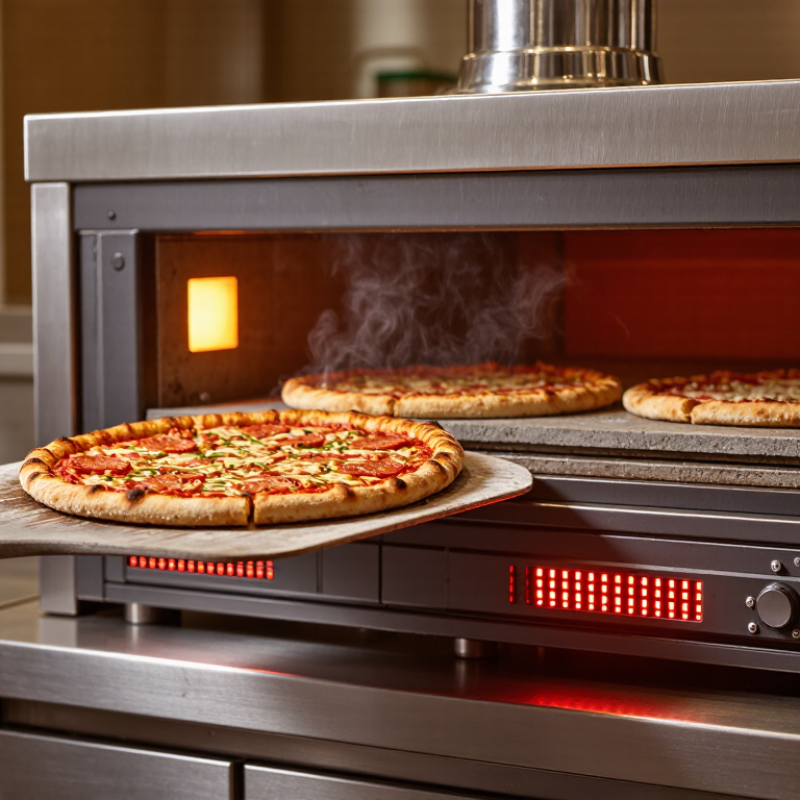
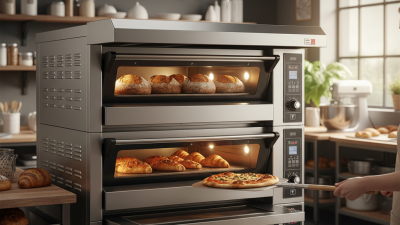
A pizza deck oven is a commercial baking oven with a flat, heat-retaining surface called a deck. The pizza sits directly on this surface, usually made from stone, ceramic, or another durable material. Unlike a conveyor oven, it does not move the pizza automatically. A cook places the dough on the deck with a peel, then removes it by hand when the crust is ready.
The oven heats the deck and the surrounding air separately. The hot deck transfers steady heat into the dough, helping form a firm, crisp base. Top and side heat melts the cheese and cooks the toppings. Many models allow separate temperature controls for the deck and upper chamber. This gives the operator more control over crust texture and browning. It also demands attention. A small temperature change can affect the result.
From practical use, preheating matters greatly. A cold deck may leave the center soft, even when the rim looks finished. The cook must also allow space between pizzas, because crowded baking can reduce airflow. In practice, results are not always perfectly even. Thick toppings, uneven dough, or frequent door opening can create pale spots. That limitation is easy to overlook. Regularly checking the crust underside and rotating the pizza when needed usually improves consistency. A deck oven suits kitchens that value hands-on control, traditional crust texture, and flexible baking temperatures.
A pizza deck oven cooks with controlled heat from above and below. The deck, usually made from refractory stone or ceramic, transfers steady heat into the dough. It also absorbs moisture, helping create a crisp base. Electric elements or gas burners generate heat, while the oven chamber stores and reflects it. This combination supports strong browning without relying only on hot air.
The thermostat and temperature sensor regulate chamber heat. Many commercial models operate between 260°C and 400°C, depending on the pizza style. Insulation reduces heat loss through the walls and door. A sealed door protects temperature stability, although frequent opening still causes sharp drops. The vent manages moisture and combustion gases. Poor vent adjustment can soften the crust or darken the toppings too quickly.
According to U.S. EPA ENERGY STAR guidance, certified commercial ovens are about 20% more energy-efficient than standard models. That figure reflects tested performance, not every kitchen’s daily results. Real efficiency depends on loading, preheating, maintenance, and operator habits. A clean deck transfers heat more consistently. However, excessive scraping can damage its surface. The control panel may look simple, but small temperature errors can change bake time and texture. In practice, cooks often need to test several settings before finding a reliable balance.
A pizza deck oven uses several forms of heat at the same time. The heated deck transfers energy directly into the dough. This is conduction. It firms the base, dries the surface, and creates darker spots where contact is strongest. A thick stone or refractory deck also stores heat, helping the oven recover after a pizza is removed.
Heat moves upward through the chamber by convection. Hot air rises, spreads across the ceiling, and returns along cooler areas. This movement helps warm the pizza’s sides and toppings, but it is usually gentler than direct deck contact. Radiant heat does the most visible work on top. The ceiling sends infrared energy toward the cheese, sauce, and exposed crust. Watch the rim closely. It can color quickly while the center remains soft.
A useful working temperature is not only the number shown on the display. A surface thermometer can reveal whether the deck is truly ready. Let the oven stabilize before baking, then check the floor near the loading area. I once assumed a fully heated chamber meant an equally heated deck. That assumption was wrong. Repeated loading can create a cool patch, especially near the door. Rotating the pizza may correct uneven browning, though opening the door also releases valuable heat. Small changes matter. Dough thickness, topping moisture, and bake time all alter heat movement. The best result comes from observing the crust, not trusting one reading alone.
A pizza deck oven bakes dough on a heated stone or metal surface. Heat rises from the deck and surrounds the pizza from above. This method helps create a crisp base while keeping the center tender. Before baking, preheat the oven thoroughly, usually to 400–480°C, depending on the dough and equipment. Check the oven thermometer rather than trusting the dial alone.
Prepare the dough on a lightly floured surface. Stretch it gently, leaving a slightly thicker rim around the edge. Spread a thin layer of sauce, then add cheese and toppings evenly. Too many toppings release water and soften the crust. Slide the pizza onto the hot deck with a peel. Work carefully; the surface is extremely hot. Close the door quickly to retain heat.
Bake until the rim rises and shows brown spots, usually for five to ten minutes. Rotate the pizza halfway through if one side colors faster. Watch the underside, not only the cheese. It should look firm and lightly charred, never wet or pale. My first bake often used too much flour, which burned beneath the crust. Less flour worked better, although the dough sometimes stuck. A short rest on the peel helped. Remove the pizza with the peel, let it rest briefly, and slice it with a sharp wheel.
A pizza deck oven cooks dough on a heated stone or ceramic surface. Heat reaches the pizza through conduction, radiant energy, and hot air. The result is a firmer base with browned edges. Unlike a conveyor oven, it needs active loading, turning, and timing. That hands-on process can improve control, but it also creates inconsistency.
Deck ovens come in wood-fired, gas, and electric versions. Wood adds smoke and strong heat, while gas supports quick recovery during busy service. Electric models offer precise temperature control and easier installation in some kitchens. Many operators work between 260°C and 370°C, depending on dough hydration and crust thickness. A hotter deck is not automatically better. The U.S. Department of Energy reports that certified commercial ovens can use at least 20% less energy than standard gas models and 10% less than standard electric models. That difference matters over long operating hours.
Use depends on volume, menu style, and available space. A single deck may suit a small café, while stacked decks increase capacity without expanding the footprint. The National Restaurant Association’s 2024 industry report projected U.S. restaurant sales above one trillion dollars, showing why throughput planning deserves attention. In real kitchens, recovery speed often matters more than maximum temperature. Check ventilation, insulation, door clearance, cleaning access, and electrical demand before purchase. The imperfect part is testing. Dough, toppings, and staff habits can change performance more than specifications suggest.