Top Tips for Choosing the Best Bread Oven for Your Bakery?
When it comes to selecting the perfect bread oven for your bakery, expert opinions play a crucial role. Renowned baking expert, John Dougherty, emphasizes, “Choosing the right bread oven can make or break your business.” His insight underscores the importance of this decision.
The ideal bread oven significantly influences the quality of your baked goods. Different ovens offer unique features tailored to various needs. A well-suited oven not only enhances flavor but also affects texture and appearance. It's essential to assess your bakery's specific requirements.
Consider factors like capacity, heat distribution, and energy efficiency. Investing time in research will yield better results. Remember, an ill-suited oven could lead to inconsistent products. This calls for reflection on your long-term goals. Prioritizing the right bread oven ensures success for your bakery.
Understanding Different Types of Bread Ovens Available on the Market
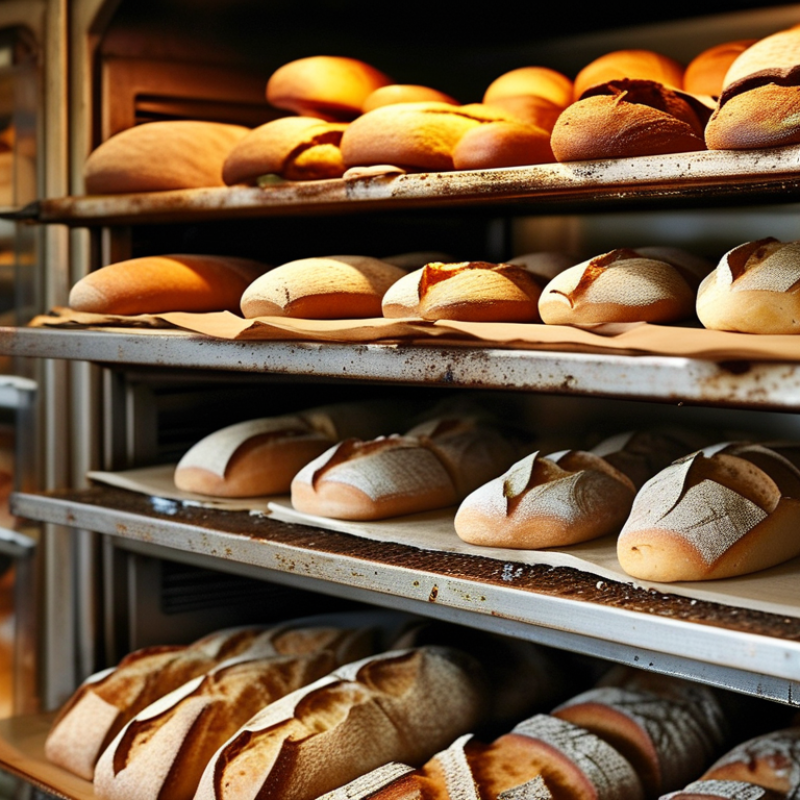
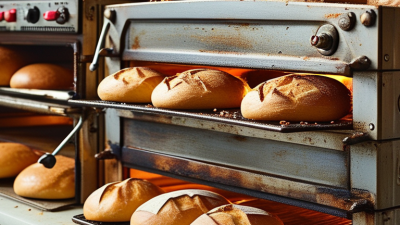
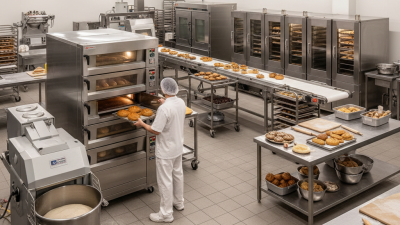
When selecting a bread oven for your bakery, understanding the different types available is crucial. Bakeries typically choose between deck ovens, convection ovens, and rack ovens. Deck ovens are favored for artisanal breads. They provide a direct source of heat from below, creating a crispy crust. Convection ovens circulate hot air, making them ideal for even baking. They can handle a variety of baked goods, but may not achieve the same crust as deck ovens. Rack ovens offer versatility, allowing bakers to bake large batches efficiently.
Consider your bakery's needs. If you focus on artisan loaves, deck ovens are a wise choice. However, if variety is essential, a convection oven could better suit your menu. It's important to reflect on your production volume and baking style. A larger oven might seem ideal at first, but it may take up too much space if your output is modest. Additionally, some ovens may have learning curves. Improper use could lead to inconsistent baking, affecting quality.
Choosing an oven involves balancing capacity and function. Price is also a factor; high-end options can be tempting but do not guarantee success. Assess your budget carefully. Align it with your future goals. Investing in the right oven is not just about initial costs. Consider maintenance and durability, which impact long-term satisfaction.
Key Features to Consider When Selecting a Bread Oven for Your Bakery
Choosing the right bread oven for your bakery is crucial. Several key features can influence your decision. Temperature control is vital. Ovens that provide even and adjustable heating can significantly improve your baking results. According to industry reports, precise temperature management can enhance crust quality by up to 30%.
Another important feature is the baking chamber size. A larger chamber allows for more trays and variety in baked goods. Bakeries often require flexibility to accommodate different products at once. Poor spatial planning might limit production capacity. Therefore, consider your baking volume and variety when selecting an oven.
Ventilation is also a critical element. Proper airflow can help achieve the desired bread texture. Inadequate ventilation could lead to soggy crusts, which might disappoint customers. Keeping this in mind can help avoid future issues. Selecting an oven that balances these features can improve your efficiency and output. Remember, investing in quality now can save costs in the long run.
Evaluating Size and Capacity Requirements for Your Bakery’s Production
Choosing the right bread oven entails a thorough evaluation of size and capacity. For bakeries, production volume is a key factor. A small shop might need an oven with a capacity of around 10 to 15 loaves at a time. However, a larger bakery that produces thousands of loaves daily requires an oven that can accommodate hundreds at once. According to industry reports, investing in larger ovens can boost efficiency but comes with higher operating costs.
Volume requirements should reflect daily production goals. Consider your menu too. Specialty breads may need different baking conditions. The right oven must support a range of products while minimizing waste. Bakeries often see a 20% increase in output when moving to appropriately sized ovens. Regular monitoring of usage patterns can provide insights into future needs. This reflection helps in making informed decisions that align with growth plans.
Space constraints also play a vital role. Bakeries need to balance their floor plan with equipment size. Too large an oven can disrupt workflow, while a small one may not suffice. It’s crucial to forecast your needs accurately and adjust accordingly. This ongoing assessment ensures that your bakery can thrive and adapt to changing demands.
Top Tips for Choosing the Best Bread Oven for Your Bakery
| Dimension |
Requirement |
Recommended Oven Size |
Notes |
| Volume of Bread Produced Daily |
10 loaves |
Small oven (1-2 racks) |
Ideal for small bakeries |
| Volume of Bread Produced Daily |
50 loaves |
Medium oven (3-4 racks) |
Suitable for moderate demand |
| Volume of Bread Produced Daily |
150 loaves |
Large oven (5-6 racks) |
Meets high-volume needs |
| Types of Bread |
Artisan, Sourdough |
Stone deck oven |
Best for crusty breads |
| Energy Source |
Electric, Gas |
Depends on availability |
Consider cost-efficiency |
Assessing Energy Efficiency and Operating Costs of Bread Ovens
When selecting a bread oven, energy efficiency and operating costs are crucial factors. An oven's energy consumption can significantly impact your bakery's overall profitability. Look for models that provide insulation and optimized airflow. These features can reduce energy loss, allowing you to bake efficiently while minimizing costs. A well-insulated oven may require less energy to maintain temperature, which is essential for consistent baking results.
Evaluate the operating costs by considering the type of fuel the oven uses. Electric ovens might offer greater precision, but they can also lead to higher energy bills. Gas options typically have lower operating costs, depending on local fuel prices. Always conduct a cost analysis based on your bakery's size and production volume. This analysis should factor in both energy types and the expected maintenance costs over time.
Using a digital thermometer can help you monitor and adjust temperature settings. This simple tool improves baking consistency and can prevent energy waste. Additionally, keep track of your energy consumption. This data helps you assess the oven's efficiency. Over time, small adjustments can lead to significant savings and better baking outcomes. Prioritize ovens that allow for easy temperature control and have straightforward maintenance requirements.
Exploring Brand Reputation and Customer Reviews for Bread Ovens
When selecting a bread oven, customer reviews play a vital role. They provide insights into the performance and reliability of different models. Reading reviews can help you identify common problems. Look for comments on baking quality and heat consistency. A detailed review might reveal issues with uneven cooking or insufficient temperature control. Personal experiences can often highlight strengths and weaknesses that specifications may not reveal.
Brand reputation is another crucial factor. Established brands typically have a history of customer satisfaction. They often provide better warranties and support. However, newer brands with innovative designs can also be worth considering. Research their track record carefully. Many review sites allow you to filter feedback by recent customers. This can give you a current perspective on a product's reliability.
It's essential to consider both positive and negative reviews. Some ovens may receive praise for their baking results but criticism for their durability. Reflect on what factors matter most to your bakery operations. Balancing performance with long-term reliability can guide your decision. Engaging with online bakery communities can also yield valuable recommendations. Users often share their firsthand knowledge, helping you make an informed choice.
Top Tips for Choosing the Best Bread Oven for Your Bakery