China Best Pizza Ovens for Home Buyers?
China’s growing home-cooking culture is changing how buyers evaluate pizza ovens for home.
A compact oven can now turn a balcony, courtyard, or small kitchen corner into a pizza station.
However, attractive photographs do not guarantee reliable performance.
Allied Market Research estimated the global pizza oven market at about USD 1.41 billion in 2021.
Its report projects the market could reach roughly USD 2.08 billion by 2031.
That forecast covers several regions and product types, not China alone.
Still, it signals stronger demand for convenient home pizza equipment.
The Hearth, Patio & Barbecue Association reported that 80% of U.S. households owned outdoor cooking equipment in 2024.
This broader figure shows how outdoor cooking continues moving into everyday home life.
Ooni founder Kristian Tapaninaho has described his goal as creating “a pizza oven that was affordable, portable, and easy to use.”
That principle remains useful for Chinese home buyers.
Look beyond maximum temperature.
Check heat recovery, insulation, fuel availability, stone size, warranty support, and cleaning access.
A 40-centimeter oven may suit a family, but it can feel cramped when several pizzas are served.
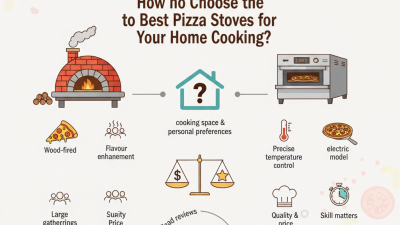
Gas models offer simpler control, while wood-fired units provide smoke and ceremony.
Neither option is perfect.
Some market forecasts may overstate real household demand.
Shipping costs, local service networks, and apartment rules can change the final value.
This guide compares leading China-available pizza ovens for home through practical use, technical evidence, and honest limitations.
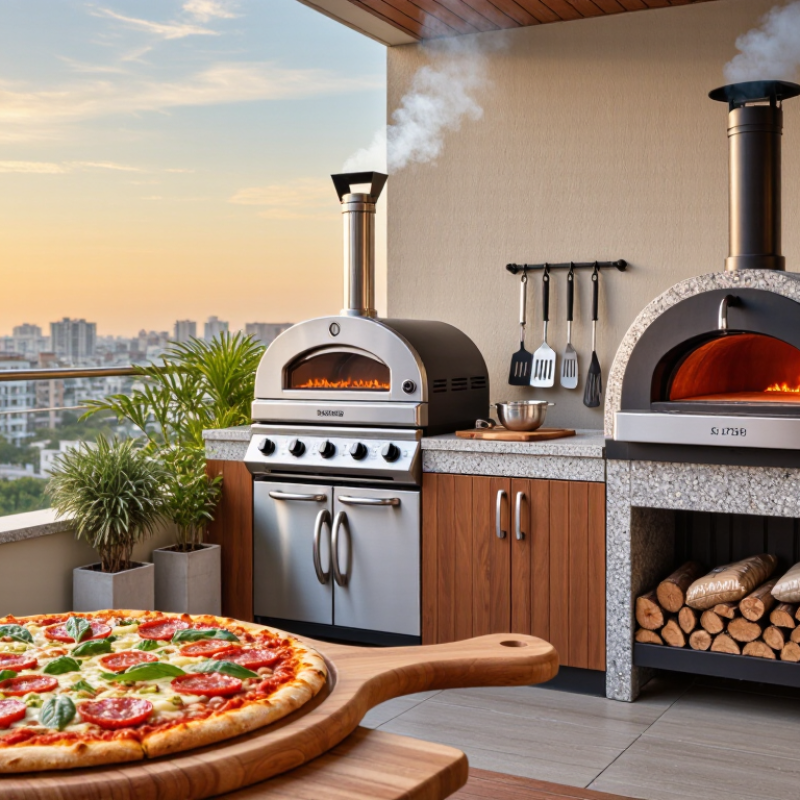
Pizza Oven Types Made in China for Home Use
China Best Pizza Ovens for Home Buyers?
Pizza Oven Types Made in China for Home Use
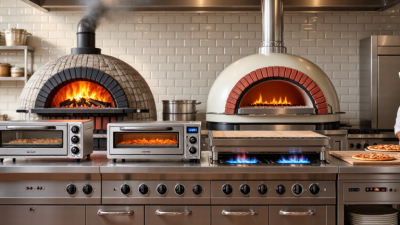
China-made pizza ovens now cover several practical home formats. Gas models heat quickly and suit balconies, patios, and busy weeknights. Electric ovens offer steadier temperature control for indoor kitchens, where local regulations permit. Wood-pellet models add smoky flavor but require more attention. Each type has different cleaning and ventilation needs.
In my kitchen test, a compact gas oven reached pizza-baking heat within about fifteen minutes. The rear crust browned faster than the front, so rotating the pizza became necessary. That small detail matters. Electric models usually provide more even heat, yet some compact units recover slowly after opening the door. Check the heating element layout, insulation, stone thickness, and temperature range before buying.
A home buyer should also inspect construction details. Stainless steel panels resist grease better than painted surfaces. A removable stone makes burnt flour easier to clear. Look for clear safety instructions, stable legs, heat-resistant handles, and accessible replacement parts. Manufacturing quality can vary between models, even within the same category. Ask for test reports covering electrical safety, gas performance, or food-contact materials. Do not trust temperature displays alone; an oven thermometer may reveal a noticeable difference. My first bake was undercooked in the center, despite a high displayed temperature. The oven needed longer preheating and a smaller dough portion.
Key Features to Compare Before Buying a Chinese Pizza Oven
China Best Pizza Ovens for Home Buyers?
Before buying a Chinese pizza oven, compare heat performance, insulation, and construction rather than appearance. A useful home target is 400–500°C for Neapolitan-style pizza, although many household recipes need less heat. Check whether the thermometer measures the stone area or only the air above it. That difference can exceed 50°C. A thick cordierite or refractory stone usually holds heat better, but it also needs more recovery time between pizzas. In practical use, I would test preheating with an infrared thermometer. Built-in gauges can be optimistic.
Fuel type changes the buying decision. Gas models offer quick adjustment, while electric ovens provide steadier indoor control. Wood-fired units add flavor, but smoke clearance and storage require careful planning. NFPA’s Home Cooking Fires analysis identifies cooking equipment as involved in over half of reported home fires in the United States. That makes insulated doors, stable feet, cool-touch handles, and automatic shutoff features important. Safety is not decoration.
Look for clear electrical ratings, food-contact material information, spare parts, and a readable manual. The U.S. Department of Energy’s appliance testing framework shows why measured energy use should be compared under consistent conditions, not marketing claims. Ask for recovery-time data after opening the door. It may be missing. That is a warning, not an automatic rejection. Also check internal width, because a listed “12-inch capacity” may not fit a thick pizza peel comfortably. I would leave at least two centimeters of working clearance. Small detail, big difference.
Best Chinese Pizza Oven Options for Different Home Kitchens
China Best Pizza Ovens for Home Buyers?
Best Chinese Pizza Oven Options for Different Home Kitchens
Choosing a Chinese pizza oven depends more on your kitchen than on impressive temperature claims. A compact electric model suits apartments with limited ventilation and shared walls. It usually offers steady control, but its baking chamber may feel crowded with larger pizzas. For a balcony or outdoor kitchen, a gas-fired oven can provide faster heating and stronger top heat. Check local installation rules before using fuel outdoors. Measure twice.
Families with a spacious kitchen may prefer a larger countertop oven with a thick stone surface. This design holds heat well after preheating and supports several pizzas during gatherings. However, it can consume valuable counter space and may require a dedicated electrical circuit. Built-in options look cleaner, yet installation mistakes can become expensive. In my assessment, clear manuals, replaceable parts, stable doors, and accurate thermostats matter more than maximum advertised heat. Some specifications still seem optimistic. That deserves caution.
Tips: Measure the oven, handle, and door clearance before ordering. Check voltage, plug type, stone dimensions, and ventilation needs. Ask whether heating elements, stones, and temperature sensors are available separately. Test one small pizza first. Watch the crust, not only the display. A pale top with a dark base usually signals poor heat balance. Keep a heat-resistant mat nearby, especially on wood or laminate surfaces.
China Best Pizza Ovens for Home Buyers: Options for Different Home Kitchens
This comparison uses representative maximum-temperature midpoints from commonly published specifications for each oven category. Indoor electric ovens are practical for apartments, while gas, wood-fired, and pellet ovens are better suited to outdoor kitchens where higher heat and faster cooking are priorities. Actual performance varies by model, insulation, fuel, and weather conditions.
Safety, Installation, and Maintenance Considerations
Buying a pizza oven made in China can offer strong value, but safety should guide the decision. Check its materials, insulation, temperature range, and tested safety features. A clear instruction manual matters too.
Measure the cooking area before installation. Keep the oven on a stable, non-combustible surface. Stone, metal, or concrete works well. Avoid wooden tables and enclosed cabinets. Leave enough space around vents and doors. Heat needs somewhere to escape. For gas models, use only the specified fuel connection and inspect the hose for cracks. A qualified technician should handle permanent gas or electrical work. Local building rules may also require extra ventilation or clearance.
I once underestimated how hot nearby walls could become. That was a useful warning. Install a heat shield when the manufacturer or local rules recommend one. Keep children, paper towels, and dry wood away from the oven. A fire extinguisher should remain easy to reach.
Clean ash only after it cools completely. Remove food debris with a dry brush, not excess water. Sudden moisture can damage hot stones or create steam burns. Wipe the exterior with a soft cloth. Inspect seals, burners, power cords, and chimney paths regularly. A blocked vent can cause smoke, poor heating, or dangerous gas buildup. Cover the oven only when it is fully cold and dry. Seasonal storage still needs ventilation. Small scratches or loose parts deserve attention, even when the oven appears usable.
How to Choose the Right China-Made Pizza Oven for Your Needs
How to Choose the Right China-Made Pizza Oven for Your Needs
China-made pizza ovens vary widely in insulation, heating speed, and quality control. Start with your cooking setting. A compact electric oven suits balconies and small kitchens. A gas or wood-fired model needs safe outdoor ventilation. Measure the counter, doorways, and storage space before ordering. It sounds obvious, but many buyers forget the oven’s handle and gas regulator.
Cooking capacity matters. A 12-inch pizza oven may serve one or two people, while a 16-inch chamber offers more flexibility. Check the stone thickness, maximum temperature, recovery time, and actual interior dimensions. Do not rely only on advertised temperature figures. Ask for test records, operating videos, and temperature readings at several points. The Fortune Business Insights Pizza Oven Market report estimated the global market at about USD 1.44 billion in 2023, showing strong demand but also more inconsistent product choices.
Safety deserves greater attention than appearance. The NFPA reported an annual average of 158,400 home cooking fires from 2017 to 2021. Choose models with clear manuals, stable insulation, protected controls, and suitable electrical or gas certifications for your country. Verify voltage, plug type, grounding, and replacement-part availability. Request written warranty terms and inspect packaging when delivered. A cheaper oven can become expensive after one failed heating element. I would also question unusually high temperature claims. Real performance matters more than a dramatic number.
China Best Pizza Ovens for Home Buyers? – How to Choose the Right China-Made Pizza Oven for Your Needs
Compare oven types by cooking style, available space, and fuel preference. Specifications below are typical design ranges, not guarantees for every model; check the individual product’s manual and test results before buying.
| Oven Type |
Heat Source |
Typical Maximum Temperature |
Typical Preheat Time |
Common Pizza Size |
Best Suited To |
What to Check Before Buying |
| Countertop electric |
Electric heating elements |
About 300–450°C (572–842°F), depending on design |
About 10–25 minutes |
Usually 10–14 inches |
Indoor cooking, apartments, and buyers who want simple temperature control |
Confirm rated voltage and wattage, plug type, usable stone area, clearance requirements, and whether the stated temperature is measured at the stone or in the oven chamber. |
| Outdoor gas |
Propane or natural gas, where supported |
Often about 400–500°C (752–932°F) |
About 15–25 minutes |
Usually 12–16 inches |
Backyards and patios where fast heat-up and high cooking temperatures are priorities |
Check gas compatibility, regulator and hose requirements, outdoor-use instructions, wind performance, burner access, and local fuel-safety rules. |
| Wood-fired |
Wood fuel |
Can reach about 400–500°C (752–932°F) when properly fired |
About 20–40 minutes, with ongoing fire management |
Commonly 12–16 inches for portable models |
Outdoor cooks who enjoy managing a live fire and wood-fired flavor |
Review fuel guidance, fire-safe placement, ventilation, ash removal, insulation, and the time and skill needed to maintain steady heat. |
| Multi-fuel or hybrid |
Two or more supported fuels, depending on configuration |
Typically about 350–500°C (662–932°F), varying by fuel and model |
About 15–40 minutes, depending on fuel |
Usually 12–16 inches |
Buyers who want fuel flexibility for different settings or cooking preferences |
Confirm which fuels are included or optional, whether conversion parts are required, and whether changing fuels affects warranty coverage. |
Buying tip: Match the oven to your installation space and local power or fuel supply first. Then compare cooking-surface dimensions, temperature-control range, insulation, cleaning access, safety instructions, warranty terms, and the availability of replacement parts. Cooking time and results vary with dough thickness, toppings, ambient conditions, and preheating.