How to Choose the Best Pizza Ovens for Your Business?
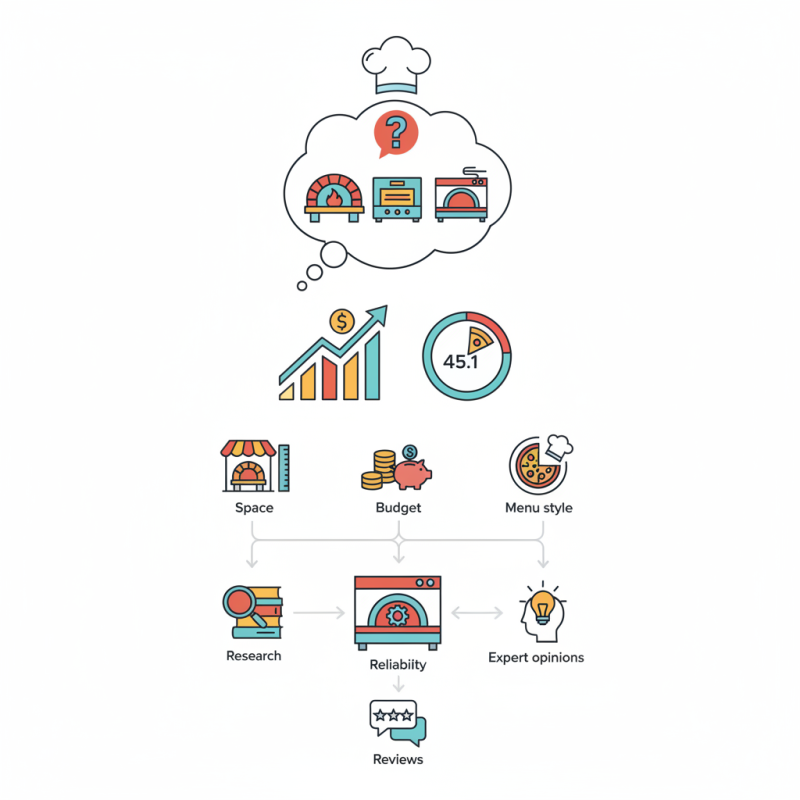
Choosing the right pizza ovens for your business can be complex. The demand for high-quality pizza continues to rise. According to the National Restaurant Association, the pizza market reached $45.1 billion in 2023. This growth presents a unique opportunity for businesses.
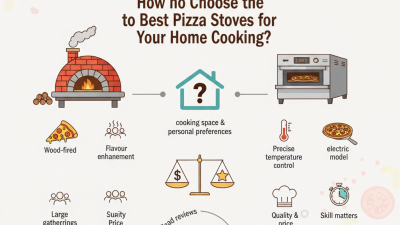
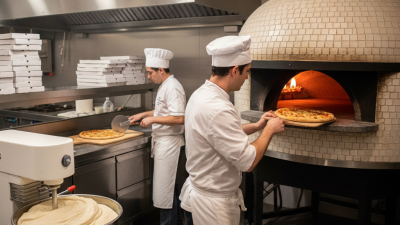
Pizza ovens play a crucial role in crafting the perfect product. Their efficiency, cooking style, and size significantly impact pizza quality. Options range from traditional wood-fired to modern gas or electric ovens. Each type offers distinct benefits. For example, wood-fired ovens impart exceptional flavor. However, they may require more skill to operate.
Business owners must reflect on their needs before making a choice. Consider factors like space, budget, and menu style. The oven should align with your brand vision. Reliability is key; a poor oven can affect service and quality. Researching options, reading reviews, and seeking expert opinions can help make an informed decision.
Factors to Consider When Choosing a Pizza Oven for Your Business
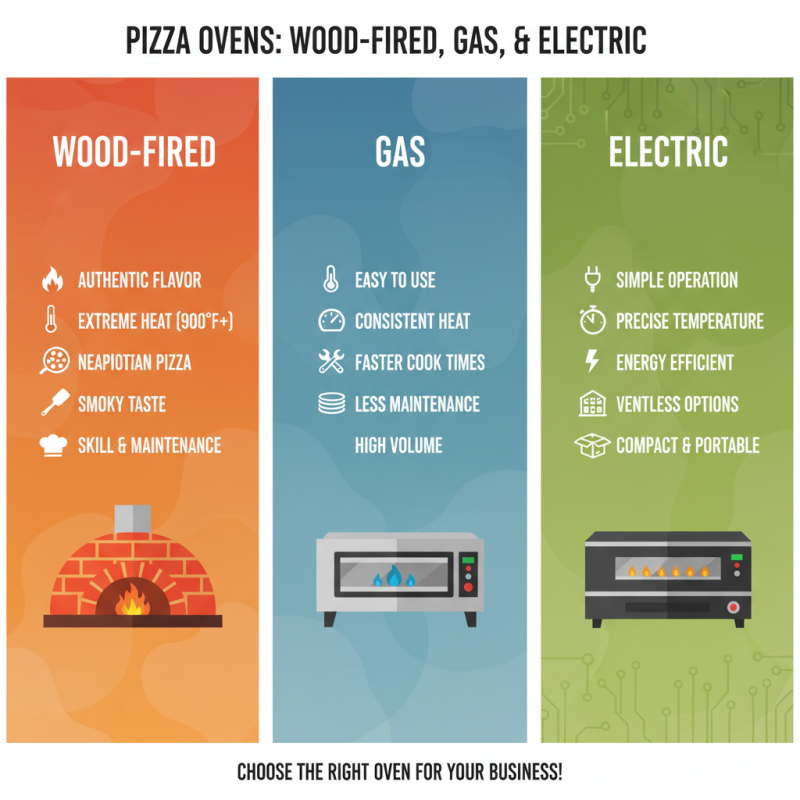
When selecting a pizza oven for your business, several key factors come into play. The first is the type of oven. Common options include wood-fired, gas, and electric ovens. According to a recent industry report, wood-fired ovens can reach temperatures up to 800°F. They infuse pizzas with a unique flavor. However, they require more skilled labor to operate effectively.
The oven's size also matters. You need to assess your production capacity. For instance, a small pizzeria may only need an oven that can handle two to three pizzas at a time. In contrast, high-volume restaurants should consider larger models that can bake six or more pizzas simultaneously. It’s essential to ensure that the oven fits well in your kitchen space, allowing for efficient workflow.
Lastly, consider the maintenance. Gas and electric ovens often require less upkeep compared to wood-fired options. However, they may not provide the same quality of pizza. Investing in an oven with reliable support and warranty can help minimize downtime. A report from a commercial kitchen supplier indicated that businesses lose roughly 20% of revenue due to equipment failure. Balancing quality and reliability is crucial.
How to Choose the Best Pizza Ovens for Your Business?
| Factor |
Description |
Importance |
Price Range |
| Type of Oven |
Consider whether you need a gas, electric, or wood-fired oven. |
High |
$2,000 - $10,000 |
| Size and Capacity |
Determine the maximum number of pizzas you can cook at once. |
Medium |
$1,500 - $8,000 |
| Fuel Efficiency |
Evaluate how much fuel the oven uses during operation. |
High |
$2,000 - $15,000 |
| Ease of Use |
Select an oven that is user-friendly and easy to operate. |
Medium |
$1,000 - $7,000 |
| Maintenance |
Look for ovens that require low maintenance. |
High |
$1,200 - $9,000 |
Types of Pizza Ovens: Wood-Fired, Gas, and Electric Options
When it comes to pizza ovens, understanding the types available is crucial for your business. Wood-fired ovens provide a unique flavor profile. They reach extremely high temperatures, ideal for cooking authentic Neapolitan pizzas. The flames and smoke infuse a distinct taste, appealing to pizza lovers. However, these ovens require more time and skill to maintain.
Gas ovens offer convenience and control. They heat up quickly and maintain consistent temperatures. This reliability allows for a steady cooking process. Many chefs opt for gas for its performance and ease of use. However, the flavor may not match that of a wood-fired oven.
Electric ovens provide an affordable and efficient solution. They are ideal for locations with space limitations. While they may not reach the high temperatures of gas or wood options, they are user-friendly and easy to clean. Electric ovens lack some flavor intensity and might require closer monitoring. Each type of oven has its pros and cons, and careful evaluation is necessary to meet your business needs.
The Importance of Oven Size and Capacity in a Pizza Business
Choosing the right oven for your pizza business starts with understanding the importance of size and capacity. A larger oven allows for multiple pizzas to be baked simultaneously, which is crucial during peak hours.
Imagine a busy Friday night; if your oven can only handle two pizzas at once, customers will be left waiting. This can lead to frustration and lost revenue.
Consider the kitchen layout and workflow. An oven that takes up too much space might hinder operations. You need to balance size with efficiency. A compact oven might fit but can limit production.
Additionally, think about your menu. If you plan to offer a variety of pizza sizes, ensure the oven can accommodate them all.
Every business is unique, and so are your needs. Reflect on your peak order times and adjust your oven choice accordingly. Many entrepreneurs experience growing pains when demand exceeds capacity.
Investing in the right oven will support your growth. Don't overlook the importance of planning for future needs while making your decision.
Analyzing Energy Efficiency and Operating Costs of Pizza Ovens
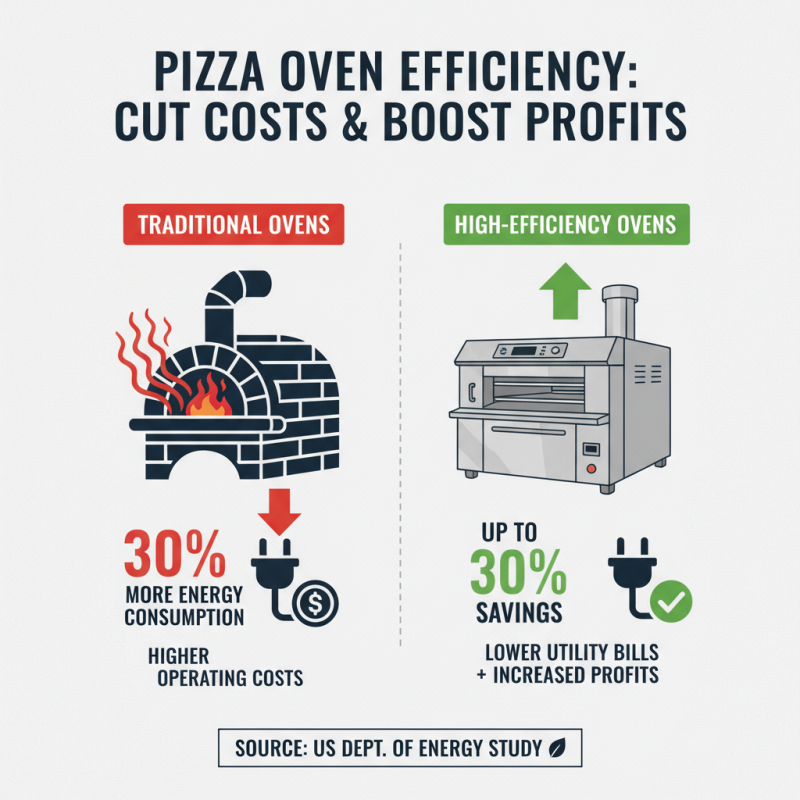
When selecting a pizza oven for business, energy efficiency and operating costs are crucial factors. A study by the U.S. Department of Energy reveals that high-efficiency ovens can reduce energy consumption by 30% compared to traditional models. This reduction translates into significant savings over time. An efficient oven not only minimizes energy bills but can also positively impact a restaurant's bottom line.
Operating costs vary widely among different types of pizza ovens. Gas ovens typically have lower fuel costs compared to electric models, but initial investments may differ. Installation and maintenance costs should also be factored into the overall budget. According to a recent report from the National Restaurant Association, labor costs can be reduced by 15% with faster-cooking ovens. However, businesses must weigh these savings against the upfront expenses.
Understanding energy efficiency ratings is also vital. Some ovens come equipped with insulation and advanced technology that enhance performance. But these features may increase purchase price. Crafting a balanced decision requires analyzing not just the upfront costs, but ongoing expenses, including repairs and utilities. Reflecting on these factors can help restaurants choose the right oven for long-term success.
Top Brands and Models in the Pizza Oven Market: A Comparative Overview
When selecting a pizza oven, understanding different brands and models is crucial. The market offers various types, including gas, electric, and wood-fired ovens. Each has its advantages and specific use cases. Gas ovens are known for their efficiency, while wood-fired models lend a unique flavor to the pizza. Electric ovens are perfect for smaller spaces.
One tip is to consider your business size. A compact oven works well for a small pizzeria, while larger venues may need a more heavy-duty option. Assessing your target volume helps determine the right choice. Another important aspect is the cooking time. Faster cooking typically translates to higher customer turnover.
Pay attention to energy efficiency as well. Some models may save costs in the long run. Comparing features, such as temperature ranges and insulation, can guide your decision. It's vital to reflect on your specific needs. Choosing the wrong type can lead to inefficiencies. Take the time to analyze your priorities carefully before making a commitment.
Comparative Overview of Pizza Oven Types