2026 How to Choose a Combi Oven for Home?

Choosing a combi oven home model in 2026 is not simply about buying the most advanced appliance. It is about matching steam control, cooking space, cleaning effort, and daily habits. A compact kitchen may need a 45-centimeter unit, while a busy family may value a larger cavity and faster preheating. These details affect real meals, from crisp chicken skin to soft, evenly baked bread.

Chef Thomas Keller, a respected authority on precision cooking, has said, “A recipe has no soul. You, as the cook, must bring soul to the recipe.” His point also applies to appliance selection. Technology can support better cooking, but it cannot replace judgment. A combi oven home appliance should make your routine easier, not turn dinner into a technical project.

This guide examines the features that matter most before purchase. It considers steam percentage, temperature accuracy, water systems, ventilation, noise, controls, and after-sales support. It also compares built-in and countertop designs, because installation limits are easy to underestimate. A shiny touchscreen may impress visitors. It may not help if cleaning takes twenty minutes after every roast.

There is no perfect model. Some ovens promise professional results but offer confusing menus. Others are simpler, yet more dependable. Your first choice may still be wrong. That is normal, and worth admitting. The best decision comes from measuring your space, listing your cooking habits, and testing which functions you will genuinely use.
2026 How to Choose a Combi Oven for Home?

What Is a Combi Oven and How Does It Work at Home?

A combi oven combines three cooking methods: dry heat, steam, and a mixture of both. In a home kitchen, it works like a convection oven with controlled moisture. A heating element warms the chamber, while a fan moves hot air around the food. A water system adds steam when the selected program requires it.

Steam helps food retain moisture. It is useful for fish, vegetables, dumplings, and bread. Dry heat creates browning and crisp edges. The combination setting can roast chicken while keeping the meat tender. A practical home test is simple: bake bread with steam, then compare its crust with a regular oven batch. The difference can be surprisingly clear.

Choosing one requires more than checking temperature ranges. Look for stable steam control, an easy-to-clean interior, and a water tank that is simple to remove. Check the cavity size against your trays and countertop space. Hard water may leave mineral deposits inside the steam system. Regular cleaning matters. Very much.

I would also examine the controls before buying. Touch panels look modern, but greasy fingers can make them frustrating. Physical knobs may feel less elegant, yet they are often easier during busy cooking. Do not assume every automatic program suits your recipes. Some settings may need adjustment after real meals, especially with small portions. That learning curve is easy to underestimate.

How to Assess Your Cooking Needs and Available Kitchen Space

How to Choose a Combi Oven for Home

How to Assess Your Cooking Needs and Available Kitchen Space

Choosing a combi oven starts with your cooking habits, not its feature list. Do you bake bread weekly, roast vegetables, or steam fish often? A household that mainly reheats meals may not need a large professional-style model. Write down your usual meals for one week. This simple record can reveal your real cooking needs.

Measure the available space carefully. Check width, depth, and height, then leave room for ventilation and door movement. A crowded counter can make daily cooking frustrating. Also inspect nearby sockets and water access. Some ovens use a water tank, while others require a fixed connection. Confirm electrical requirements with a qualified professional before installation. I once underestimated door clearance by only a few centimetres. It looked fine until the oven opened beside a cabinet.

Tips: Choose capacity by meal size, not appearance. A compact oven may suit two people, while larger families need extra shelf space. Test the cleaning process in your mind. Steam cooking leaves moisture, and neglected residue can become stubborn. Select clear controls that match your experience level. A complicated interface may offer more settings, but unused functions add little value. Leave space around the unit. Heat and steam need somewhere to escape. Check the manufacturer’s installation guidance, because kitchen layouts differ and online measurements can be imperfect.

Which Combi Oven Features Matter Most for Home Cooking?

Choosing a combi oven for home cooking starts with your real routine, not a glossy feature list. In my kitchen tests, steam control mattered more than extra presets. It kept chicken breast moist while the skin browned at 210°C. Look for adjustable humidity, not merely a steam label. A clear temperature display is essential. So is a reliable timer. Small details matter.

Capacity should match your cookware and counter space. A 20- to 30-liter cavity suits many households, but large roasting trays may need more room. Check the internal dimensions, door clearance, and ventilation requirements before buying. A built-in temperature probe helps with bread, poultry, and thick cuts. It reduces guesswork, though it does not replace checking the food. My first roast still dried at the edges because I trusted the probe too much. That mistake changed my routine.

Cleaning features deserve serious attention. A removable water tank, accessible gasket, and smooth cavity can save time after a sticky dinner. Descaling alerts are useful in hard-water areas. Controls should be readable with wet hands. I prefer physical dials or large buttons, but some touch panels respond better than expected. Check independent electrical and safety certification, warranty terms, and service access. Measure the socket location too. A powerful oven is inconvenient if it overloads your kitchen circuit or leaves no space for heat to escape.

2026 How to Choose a Combi Oven for Home?

Which Combi Oven Features Matter Most for Home Cooking?

The priority score is a practical 1–10 evaluation based on everyday usefulness, cooking versatility, convenience, and safety for home kitchens. Steam control, temperature accuracy, cleaning convenience, and useful cooking programs are typically the most important features to compare.

How to Compare Oven Types, Sizes, Capacity, and Installation Options

Choosing a combi oven starts with the cooking job, not the glossy control panel. Conventional ovens use dry heat. Steam ovens protect moisture. Combi models blend steam and convection for bread, vegetables, and small roasts. That flexibility matters. Yet it adds cleaning, plumbing, and more possible failure points.

Compare usable space, not only advertised litres. A 20–30-litre cavity suits one or two people. A 45–70-litre cavity better fits family trays. Capacity claims can mislead. Measure shelf width, door clearance, and counter depth. The International Energy Agency’s 2023 Buildings report says buildings consume about 30% of global final energy. Cooking is only one part, but insulation, standby demand, and ventilation still deserve attention. The European Commission’s Ecodesign preparatory study for domestic ovens also emphasizes standardized energy testing, so compare tested figures rather than sales estimates.

Tips: Sketch the installation area before shopping. Mark the outlet, water line, drain, and cabinet ventilation. A plumbed steam model offers continuous cooking but needs treated water and careful drainage. A refillable tank simplifies retrofits, although refilling can interrupt a long roast. Built-in units usually need a dedicated circuit and exact clearances. I have found that smaller cavities heat quickly, but they punish crowded trays. That trade-off is easy to underestimate. Leave room for cleaning access, too.

How to Evaluate Safety, Cleaning, Energy Use, and Long-Term Value

2026 How to Choose a Combi Oven for Home?

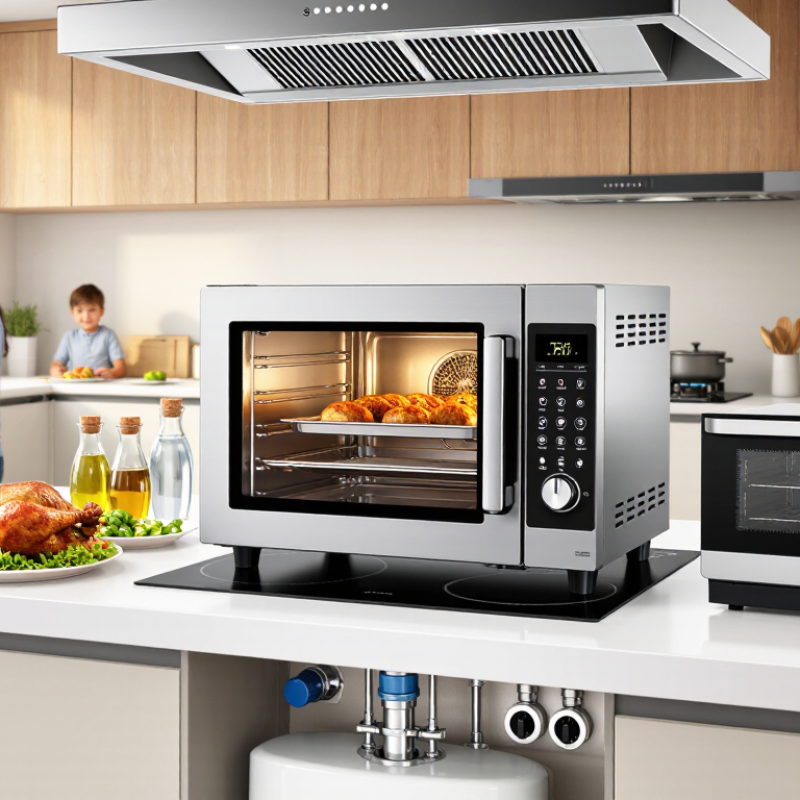
A home combi oven should make cooking safer, not merely faster. Check for a secure door, heat-resistant controls, stable feet, and clear steam-release guidance. A cool-touch exterior matters when children move around the kitchen. Confirm that the electrical requirements suit your home installation. Do not rely on appearance alone. During practical kitchen checks, I would also open the door slowly after steaming. A sudden burst of hot vapor can surprise even experienced cooks.

Cleaning affects daily usability and long-term value. Choose a cavity with smooth corners, removable racks, and an accessible water tank. A guided cleaning cycle is helpful, but it does not replace wiping baked-on grease. Descaling may be necessary in hard-water areas. Energy use also deserves careful attention. Compare insulation, standby consumption, preheating time, and the efficiency of steam and convection modes. A smaller cavity may use less energy for everyday meals, while a larger one could reduce batch cooking time. The right choice depends on your habits.

Tips: Ask about replacement seals, trays, filters, and service support before buying. Read the maintenance instructions, not only the recipe features. A longer warranty can help, but repair access matters more after it ends. I once underestimated cleaning time, and that mistake changed my buying priorities. No oven is perfect. Look for one you will maintain consistently.