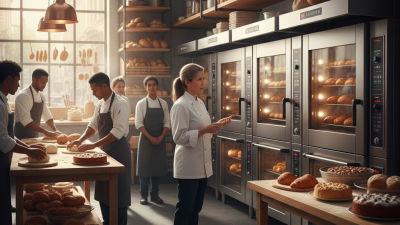
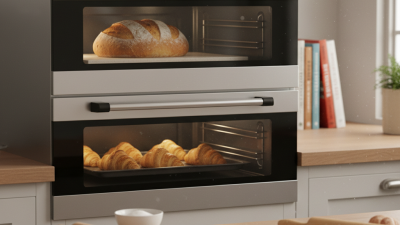
Choosing the right combi ovens can shape kitchen speed, food quality, labor costs, and daily consistency. It is not simply a comparison of brands or price tags. A busy hotel kitchen needs different capacity, controls, and service support than a neighborhood bakery.
Industry data shows why this decision deserves careful attention. Grand View Research valued the global commercial cooking equipment market at approximately USD 14.3 billion in 2023, with continued growth forecast through 2030. Its analysis highlights energy efficiency, automation, and connected equipment as major purchasing influences. Meanwhile, foodservice operators increasingly measure equipment by total operating cost, not only the initial invoice. Every wash cycle, preheating period, and maintenance visit matters.
RATIONAL founder Siegfried Meister described the combi-steamer as “the heart of the professional kitchen.” That idea remains practical. A well-selected unit can roast chicken with crisp skin, steam vegetables without drying them, and bake bread during the next production cycle. Still, no oven solves every problem. A large model may waste energy in a small kitchen. Advanced software may also confuse staff without proper training.
This guide examines cooking capacity, steam generation, cleaning systems, ventilation needs, energy use, warranty coverage, and after-sales support. It also questions attractive specifications that may look impressive on paper. The best combi ovens are not always the most expensive. They are the ones that match your menu, team, space, and measurable workload. Performance should be tested during real service, not only during a polished showroom demonstration.
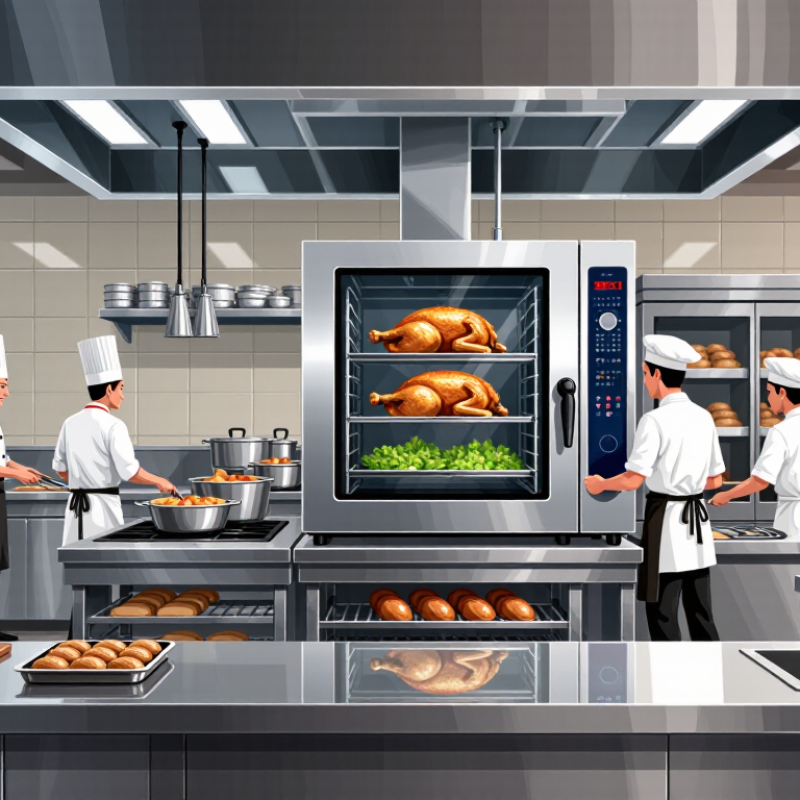
Choosing the best combi oven starts with understanding your kitchen’s real workload. Define the number of meals, trays, and cooking cycles required during your busiest hours. A café producing 80 breakfast portions needs different capacity than a hotel serving 400 guests. Record your daily menu for one week. Include roasting, steaming, baking, reheating, and overnight preparation.
Look closely at production peaks. If lunch service demands six full trays within one hour, a small oven may create delays and uneven results. However, choosing excessive capacity can waste energy, space, and cleaning time. Measure your available floor area, door clearance, ventilation, and electrical supply before comparing models. I have seen kitchens focus on maximum capacity and overlook loading comfort. That mistake becomes tiring every day.
Tips: Track actual tray usage, not guesses. Separate regular demand from seasonal spikes. Test how many pans your staff can safely load at once. Leave space for airflow around the oven. Ask whether cleaning cycles fit your closing routine. A simple production chart can reveal hidden problems. It may also expose an uncomfortable truth: your menu is too broad for your current team. Adjusting the workflow may help more than buying a larger oven.
| Business Type | Typical Daily Production | Main Cooking Needs | Suggested Oven Capacity | Recommended Configuration | Key Selection Criteria |
|---|---|---|---|---|---|
| Small Café or Bistro | Up to 80 meals per day | Roasting vegetables, baking pastries, reheating prepared meals, steaming small batches | 4–6 trays; approximately 600 × 400 mm or GN 1/1 format | Electric countertop unit with manual or simple digital controls | Compact footprint, low water consumption, single-phase power where available, easy cleaning |
| Restaurant with À La Carte Service | 80–200 meals per day | Mixed cooking of meat, fish, vegetables, sauces, side dishes, and baked items | 6–10 trays; typically GN 1/1 format | Floor-standing electric combi oven with programmable cooking stages | Fast preheating, accurate temperature control, probe cooking, humidity adjustment, and strong ventilation |
| Hotel Breakfast or Banquet Kitchen | 200–500 meals per day | Batch roasting, steaming, baking, regeneration, and high-volume breakfast production | 10–20 trays; commonly GN 1/1 or GN 2/1 format | High-capacity floor model with automatic washing and multi-level cooking programs | High hourly throughput, reliable door seals, automatic cleaning, overnight cooking capability, and service access |
| Central Production Kitchen | 500–1,500 meals per day | Standardized batch cooking, chilled production, regeneration, sous vide, and bulk steaming | 20 trays or more; often GN 2/1 format | Heavy-duty electric unit, often installed in multiple-oven lines | Consistent batch results, recipe management, core-temperature monitoring, data logging, and water-treatment compatibility |
| Bakery or Pastry Kitchen | 100–600 baked items per day | Bread, rolls, laminated dough, cakes, cookies, and products requiring controlled humidity | 6–16 trays; select tray dimensions to match the bakery workflow | Electric combi oven with precise humidity control and convection performance | Even airflow, steam generation, low-temperature proofing support, programmable stages, and suitable tray spacing |
| School, Hospital, or Care Facility | 300–1,000 meals per day | Nutrition-focused batch cooking, steaming, low-temperature cooking, reheating, and texture-controlled meals | 10–20 trays; capacity should match the meal schedule and holding equipment | Programmable floor model with automatic cleaning and temperature documentation | Food-safety records, repeatable recipes, probe accuracy, easy sanitation, ergonomic loading, and dependable operation |
| Planning note: Choose capacity according to peak-hour demand rather than average daily volume. Confirm tray format, available electrical supply, water pressure, drainage, ventilation, kitchen clearance, and local installation requirements before purchase. A practical starting point is to estimate peak meals per hour, determine the required batch size, and allow sufficient space for loading, unloading, and holding. | |||||
Choosing a combi oven starts with service volume, not attractive specifications. A six-tray unit suits a small café with limited batch cooking. A ten-tray model fits busy restaurants serving mixed menus. Large catering kitchens may need twenty trays, but floor space and electrical capacity become serious constraints. Measure door clearance, drainage, ventilation, and staff movement before ordering. A boilerless combi oven usually needs less maintenance and heats quickly. A boiler-based model provides stronger steam for continuous production. Gas models may reduce electrical demand, while electric models often offer simpler installation and precise control.
Cooking functions should match real dishes. Convection mode handles roasting and baking. Steam protects vegetables, fish, and delicate dumplings. Combi mode manages humidity during bread baking, poultry roasting, and reheating. Probe cooking improves core-temperature consistency. Automatic cleaning saves labor, but it still requires inspection and chemical handling. ENERGY STAR’s Commercial Ovens Specification reports that qualifying commercial convection ovens can use at least 20% less energy than standard models. That difference matters during long cooking shifts.
Ask suppliers for recovery-time tests with a full load. Test uneven trays, wet steam, and the cleaning cycle. A single empty-rack demonstration proves very little. The spreadsheet can still mislead. A cheaper oven may consume more water, labor, or repair time. I would record energy use, batch time, and rejected portions during a two-week kitchen trial. Small details matter, such as a dripping door seal or a control panel hidden by steam.
Compare common commercial combi oven sizes by standardized GN 1/1 tray capacity. Larger capacities support higher batch volumes, while compact models generally require less kitchen space and lower utility capacity.
Suitable for cafés, small restaurants, bakeries, and kitchens with limited space.
A balanced option for regular à la carte service and moderate batch cooking.
Designed for high-volume production, catering, hotels, and institutional kitchens.
All combi ovens combine convection heat and steam, while advanced models may add humidity control, programmable recipes, core-temperature probes, and automatic cleaning. Actual capacity, spacing, energy requirements, and optional functions vary by configuration.
Choosing the best combi oven starts with measurable energy use, not attractive promises. Compare power consumption across steaming, convection, and combination cooking modes. Ask for test conditions and daily usage estimates. A unit with strong insulation may reduce heat loss during long service periods. Standby settings also matter. In real kitchens, idle hours can quietly increase operating costs. Treat advertised figures as guidance, not proof.
Controls should remain readable beside steam, flour, and hurried hands. Test the screen with damp gloves. Recipes should be easy to adjust without opening several menus. Cleaning deserves equal attention. Check whether racks, fan covers, and drain areas are removable without special tools. Automatic washing saves labor, but it still needs regular inspection. Safety features should include a secure door, heat-resistant handles, steam release control, and clear fault warnings. Staff training remains essential. Technology cannot correct careless loading. That was a costly lesson.
Tips Request a live demonstration before purchase. Measure noise, door heat, cleaning time, and recovery speed. Ask operators to repeat common tasks during the test. Review service access and written maintenance instructions. Keep a simple log for water, electricity, faults, and cleaning duration. Small records reveal patterns that sales materials often miss. Also, leave room for doubt. Your busiest shift may expose weaknesses that a quiet showroom never shows.
Choosing a combi oven starts with the installation plan, not the sales brochure. Measure doorways, service corridors, ceiling height, and floor strength before ordering. Confirm electrical phase, voltage, gas supply, drainage, ventilation, and water pressure. A drain positioned only a few centimeters incorrectly can delay commissioning. The 2023 ASHRAE Handbook recommends carefully coordinated commercial-kitchen ventilation to control heat, moisture, and exhaust. Your installer should also verify clearance around panels. Technicians need room to inspect fans, seals, probes, and pumps.
Maintenance affects output, safety, and staff confidence. The U.S. Environmental Protection Agency’s WaterSense at Work guide identifies commercial kitchens as significant water users and encourages leak detection and efficient cleaning practices. Use the manufacturer’s cleaning cycle after heavy service, but inspect the door gasket daily. A small tear can release steam onto the operator’s hands. Record descaling, filter changes, and error codes in a simple log. I would not trust memory here. Busy teams forget.
Tips: Run a real menu trial before purchase. Load the oven with your pans, rice, vegetables, and protein portions. Time preheating, cleaning, unloading, and recovery between batches. Train every shift, not only the head chef. The National Restaurant Association’s 2024 industry report projected $1 trillion in U.S. restaurant sales and 15.7 million jobs, showing how heavily operations depend on capable teams. Keep a laminated checklist beside the controls. Include cooking modes, probe placement, shutdown steps, and emergency contacts. Revisit training after two weeks; the first session often misses practical mistakes.
Choosing a combi oven requires more than comparing purchase prices. In a working kitchen, installation, ventilation, water treatment, training, and delivery can add substantial costs.
Measure your daily production carefully. A small oven may struggle during the lunch rush, while an oversized unit may waste energy during quiet hours. Record cooking cycles, batch sizes, and peak service times before requesting quotations.
Warranty coverage deserves close attention. Ask whether the warranty includes labor, replacement parts, travel charges, and emergency service. Some warranties exclude heating elements, door seals, sensors, or damage caused by poor water quality.
Request every condition in writing. A two-year warranty sounds useful, but limited coverage may leave you paying for a technician on a busy Saturday. Response time matters too. One missed service can cost more than a minor price difference.
Calculate the total cost over five years. Include energy, water, cleaning chemicals, filters, scheduled maintenance, repairs, and expected downtime. My first comparison missed installation costs and looked better than it really was. That was a useful mistake.
Keep service records and review actual utility bills after six months. Long-term value also depends on staff usability, cooking consistency, and parts availability. An efficient oven that employees avoid is not a good investment.
Insist on a practical demonstration before signing. Test loading, cleaning, temperature recovery, and control clarity with the people who will use it daily.