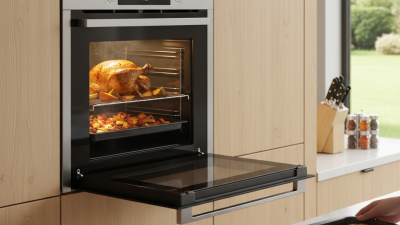
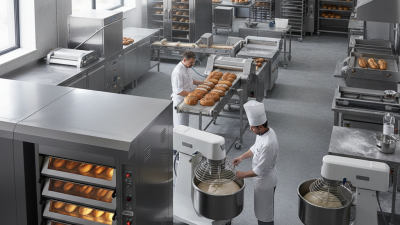
Why You Should Consider Investing in a Bread Oven for Your Kitchen?
Investing in a bread oven can elevate your culinary skills. Renowned baking expert Emily Schubert states, “A bread oven transforms the baking experience.” With a specialized bread oven, home bakers can create crusty artisan loaves, tender rolls, and more. The magic of steam creates the perfect crust, while even heat distribution ensures consistent results.
Many bakers overlook the significant difference a bread oven can make. It’s not just a luxury, but an investment in flavor and texture. Imagine the aroma of fresh bread filling your kitchen, drawing family and friends together. A bread oven allows for creativity and exploration in baking, offering varied temperature settings and steam control for experimentation.
However, it’s essential to consider your needs before purchasing. A high-quality bread oven can be pricey, and space might be limited. Reflect on how often you bake and the types of bread you enjoy before making a decision. A bread oven can be a game-changer in your kitchen, but it requires thoughtful consideration to truly enhance your cooking experience.
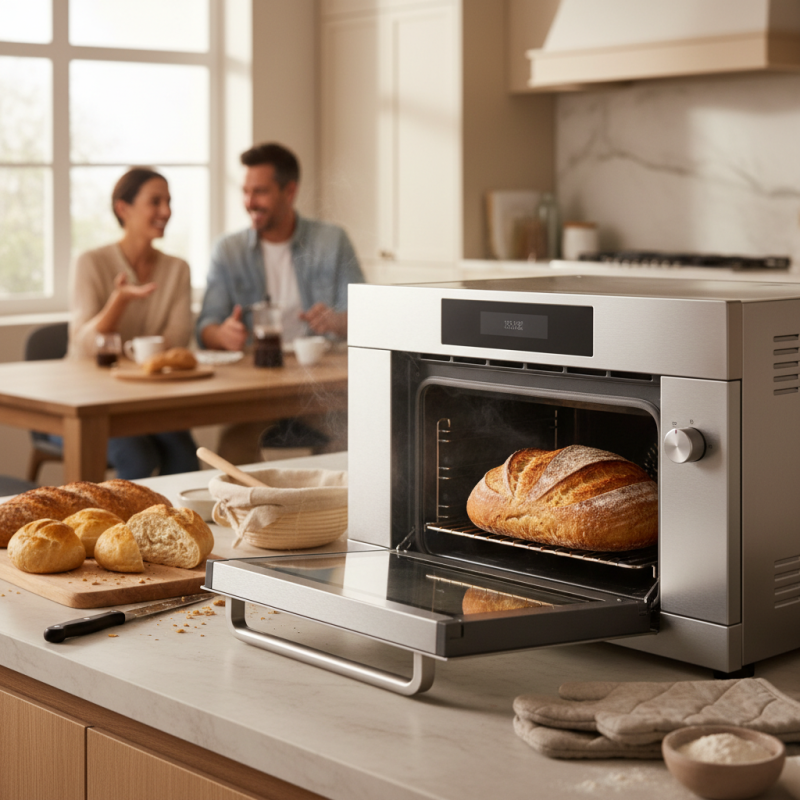
Benefits of Baking Bread at Home: Health and Cost Considerations
Baking bread at home is a rewarding endeavor. It offers both health benefits and cost savings. Homemade bread often has fewer preservatives than store-bought options. You can control the ingredients, which is vital for those with dietary restrictions. Whole grains, seeds, and nuts can enhance nutrition significantly.
Cost is another advantage. Store-bought artisan bread can be pricey. Investing in a bread oven may save money in the long run. Simple ingredients for bread are readily available and not expensive. You can tailor your recipes, creating delicious loaves for family gatherings or personal enjoyment.
Tips for successful baking include using fresh ingredients. Always check the expiration dates on yeast and flour. Start with simple recipes to build confidence. Experiment with different flavors and textures to find what you love. Regular practice will enhance your skills, but remember that not every loaf will be perfect. Embrace the process and learn from the results.
Benefits of Baking Bread at Home
Understanding the Different Types of Bread Ovens: Pros and Cons
When considering a bread oven for your kitchen, it's essential to explore the various types available. Each type has distinct pros and cons. Traditional wood-fired ovens provide excellent heat retention and a unique flavor. A study from the American Baker's Association noted that these ovens can reach temperatures exceeding 900°F. This high heat is ideal for creating artisanal-style crusts. However, these ovens require significant space and may not fit every kitchen.
Conversely, countertop bread ovens are perfect for home bakers with limited space. They are easy to use and require less maintenance. According to a recent report by the Specialty Food Association, these ovens can mimic professional results without breaking the bank. Many models have features like steam injection, enhancing crust development. However, they may not generate the same heat as larger ovens, potentially affecting the final bread quality.
Combination ovens are another option, blending different cooking methods. They can steam or bake, adding versatility to your baking. Yet, many users report a learning curve when mastering these machines. It's crucial to understand your baking needs and kitchen space before investing. Each type of oven has its place, and the right choice relies on individual preferences and baking habits.
Market Trends: Growth of Home Baking and Artisan Bread Demand
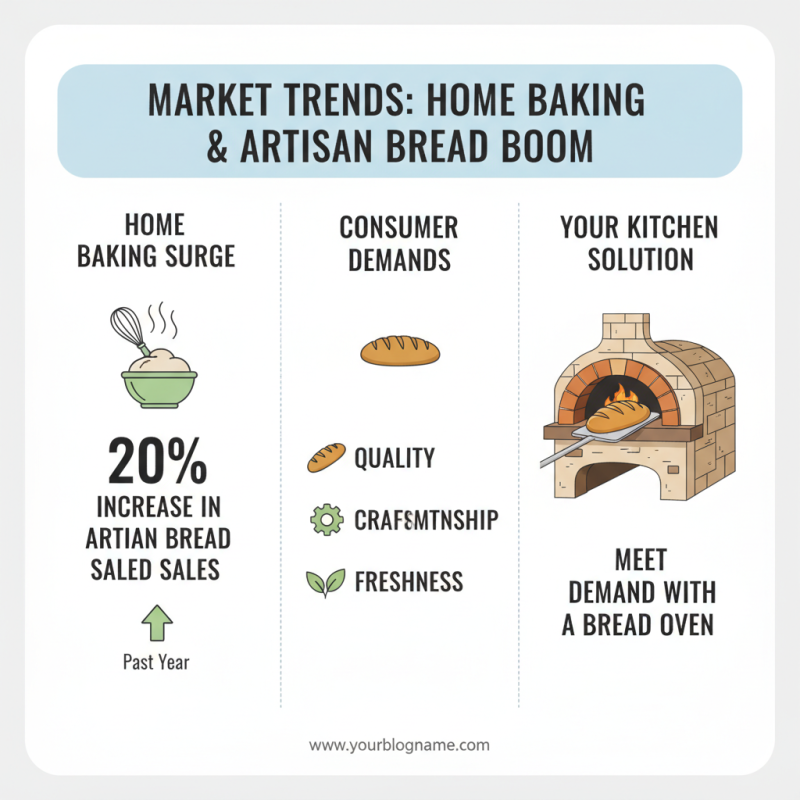
The home baking trend is surging. Recent reports indicate a 20% increase in artisan bread sales over the past year. People are looking for quality, craftsmanship, and freshness in food. A bread oven allows you to meet these rising consumer demands right in your kitchen.
Investing in a bread oven not only enhances your baking experience but connects you to a broader movement. Studies show that the global home baking market is projected to reach $13 billion by 2024, driven by a shift towards homemade goods. Artisan bread makers, in particular, are experiencing unprecedented growth, with many consumers eager to recreate the bakery experience at home.
**Tip:** Start with basic recipes. Mastering simple breads builds essential skills. I recommend exploring local grains for unique flavors.
While a bread oven can seem like an indulgent purchase, consider the long-term benefits. Many find the process rewarding and meditative. It’s an opportunity to customize flavors and ingredients to suit your taste.
**Tip:** Keep a baking journal. Documenting your successes and failures improves your skills and adds a personal touch to your baking journey.
The joy of baking often comes from learning and experimenting. Each loaf tells a story, reflecting your journey into the world of home baking.
Quality Matters: How a Bread Oven Enhances Bread Flavor and Texture
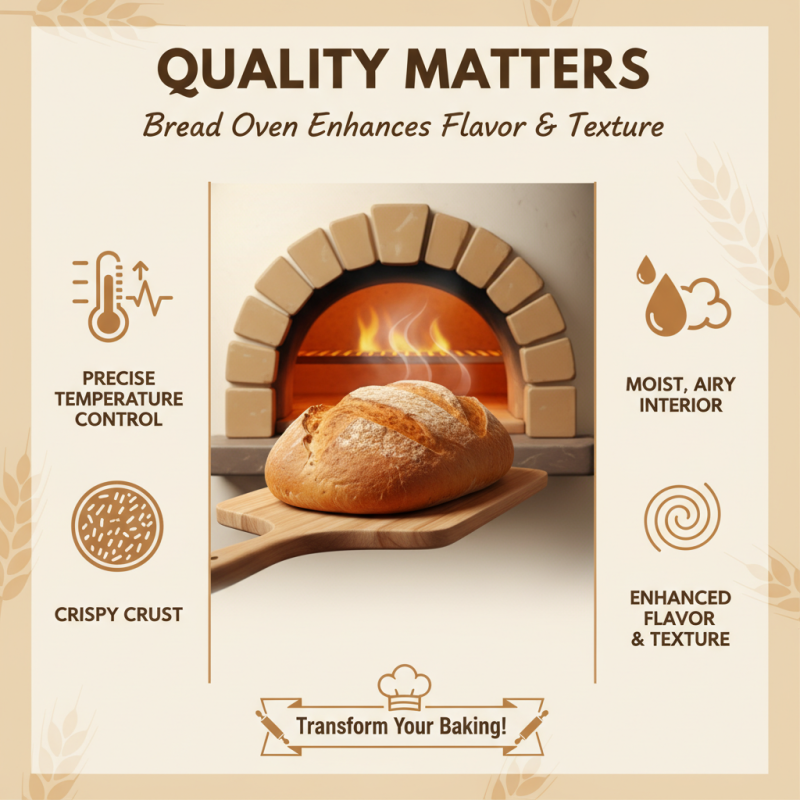
Investing in a bread oven can transform your baking experience. A quality bread oven uses precise temperature control. This leads to a crust that is perfectly crispy. The interior remains moist and airy, enhancing the overall flavor. Chefs and home bakers alike notice the difference. That special texture redefines homemade bread.
When baking, the right equipment makes a significant impact. A bread oven mimics the conditions of professional bakeries. It steams the bread during the initial phase, promoting better oven spring. This results in a more pronounced rise and a delightful aroma. Each loaf becomes a testament to your skill and patience. Without the right setup, your loaf could fall flat, both in taste and texture.
Yet, not every attempt will be perfect. You may burn a few loaves in the learning curve. Each error teaches you valuable lessons. Adjusting temperatures or timings becomes crucial. A better understanding of your bread oven grows over time. So, while the journey might include some missteps, the rewards of delicious bread are worth it.
Investment Value: Long-term Cost Savings of Owning a Bread Oven
Investing in a bread oven can yield significant long-term cost savings. A recent industry report indicated that the average family spends around $600 annually on bread. By baking your own, these costs can drop to less than $200. This represents a potential savings of over $400 each year. Home baking eliminates transportation and retail markups, making it economically advantageous.
Moreover, the quality of homemade bread often surpasses store-bought options. Many commercial breads contain preservatives and additives that can impact health. According to the American Journal of Clinical Nutrition, consuming fewer additives contributes to better health. Investing in a quality bread oven means investing in superior nutrition for your family.
**Tip:** Consider experimenting with different flour types. Whole grain flours bring extra nutrients.
Baking frequently can be a learning journey. The first attempt may not yield perfect results. However, with practice, you will refine your skills. It's essential to embrace the learning process. Perfecting dough requires patience and tweaking recipes.
**Tip:** Keep a baking journal to track successes and failures. This information helps improve future efforts.
A bread oven can significantly transform your culinary experience and foster a closer connection to food. Each loaf baked is crafted with care. This experience adds value beyond just financial savings.
Why You Should Consider Investing in a Bread Oven for Your Kitchen? - Investment Value: Long-term Cost Savings of Owning a Bread Oven
| Aspect |
Traditional Method (Monthly Cost) |
Bread Oven (Monthly Cost) |
Potential Savings (Monthly) |
| Electricity Cost |
$20 |
$10 |
$10 |
| Ingredient Cost |
$50 |
$30 |
$20 |
| Maintenance Cost |
$5 |
$2 |
$3 |
| Total Cost |
$75 |
$42 |
$33 |