How to Choose a Wood Burning Oven in 2026?
Choosing a wood burning oven in 2026 is not simply about finding the highest temperature. It is about matching heat, space, fuel, cooking habits, and maintenance. A compact oven may suit a balcony terrace, while a larger model can handle family pizzas, bread, and slow-roasted vegetables. The right decision begins with honest questions about your available room and cooking frequency.
Stefano Ferrara, a respected Naples-based oven maker, describes the oven as “the heart of the pizzeria.” His view reflects practical experience. The oven’s insulation, floor material, dome shape, and airflow affect both performance and fuel use. A thick refractory floor can hold steady heat, but it may require longer preparation. Stainless steel usually heats faster. It may not retain warmth as effectively. Small details matter, especially when the fire is burning beside you.
This guide examines those details without treating one design as perfect. Wood quality, chimney placement, cleaning access, safety features, and local installation requirements deserve equal attention. A beautiful oven can still disappoint if smoke gathers under a roof or the opening feels too narrow. Measure the space twice. That sounds obvious. It is still often missed.
We will compare traditional masonry ovens, portable steel units, and hybrid models. Real cooking scenarios will shape the discussion, from a quick weekday pizza to a long evening with several guests. Some recommendations may challenge popular assumptions. That is useful. Choosing well sometimes means accepting slower heat-up times, heavier construction, or a higher initial cost for steadier results and longer service life.
Define Your Cooking Needs and Available Installation Space
Choosing a wood burning oven in 2026 starts with an honest look at how you cook. Do you bake sourdough weekly, roast vegetables, or prepare pizzas for ten guests? Your answer determines chamber size, heat recovery, and fuel consumption. A compact oven may suit two people, but it can feel restrictive during gatherings. I once underestimated this point. A full tray blocked the doorway, and preparation became awkward. Record your usual meal size, cooking temperature, and preferred cooking frequency before comparing specifications.
Measure the proposed space, including width, height, floor clearance, and the route from the delivery entrance. Leave room for insulation, chimney components, door swing, and safe movement around hot surfaces. Do not measure only the oven body. Walls and ceilings may need heat-resistant treatment, depending on local building requirements. A certified installer should check ventilation, flue design, structural load, and required clearances before purchase. These details are practical, not decorative. An oven that fits on paper may fail when the chimney meets a low roof or narrow wall. Check local codes.
For indoor installation, confirm that smoke can exit reliably and fresh air can enter without creating uncomfortable drafts. Outdoor kitchens need weather protection, a stable noncombustible base, and storage for dry firewood. Think about daily handling. Can you carry logs easily? Can ash be removed without crossing the dining area? Choose materials and insulation with documented performance data, not vague sales claims. If your measurements are uncertain, pause and recheck them. A small planning mistake can become an expensive, permanent one.
How to Choose a Wood-Burning Oven in 2026?
Compare common cooking goals with practical temperature ranges and the typical oven width needed. Treat the space figures as planning benchmarks, and verify the final oven dimensions, ventilation, insulation, and safety clearances before installation.
Tip: Choose the cooking profile that matches your usual meals, then confirm that the available installation area can accommodate the oven body, chimney system, heat protection, working space, and required clearances.
Compare Oven Types, Fuel Options, and Heating Performance
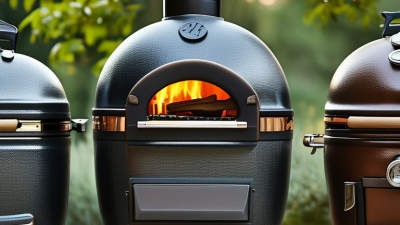
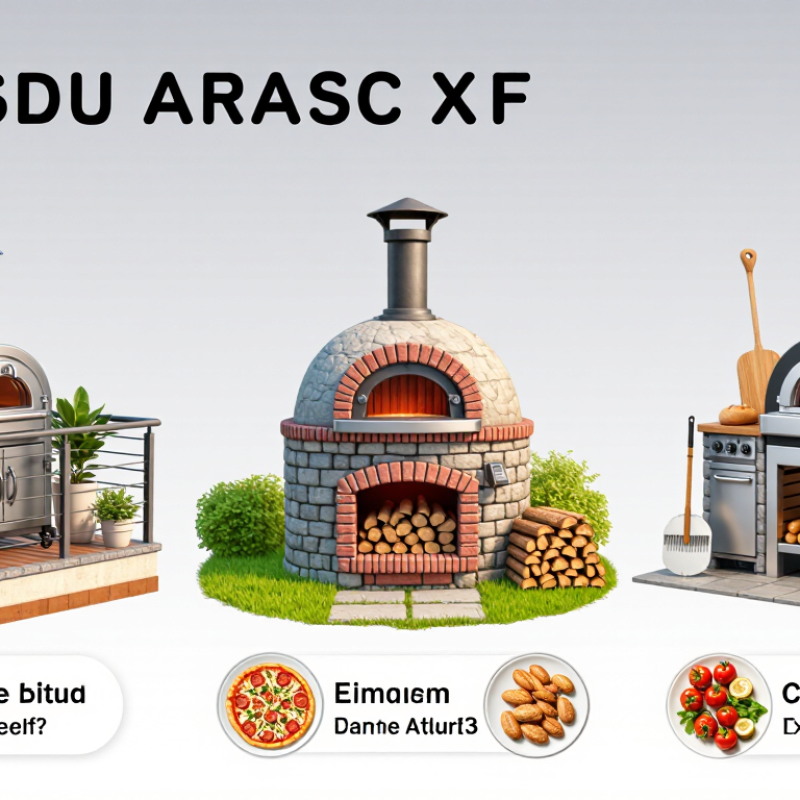
Choosing a wood burning oven in 2026 starts with matching oven design to your cooking routine. A traditional masonry oven holds heat for hours because its thick walls absorb energy slowly. It suits bread, roasting, and long cooking sessions. A portable steel oven heats faster and responds quickly to airflow changes. However, its thinner body usually loses heat sooner. I have found steel useful for weeknight pizza, while masonry feels better for planned gatherings.
Fuel choice changes both flavor and heating performance. Dry hardwood gives steady heat and fewer sparks than softwood. Kiln-dried logs usually light quickly, but seasoned wood can perform well when stored under cover. Damp fuel creates smoke, lowers oven temperature, and leaves more residue. Small splits raise heat quickly. Larger logs maintain it longer. A mixed load often works best, though I still misjudge log size on windy days.
Look beyond maximum temperature claims. Check insulation thickness, door fit, chimney design, and the time needed for recovery between pizzas. A well-insulated oven may reach cooking temperature more slowly, then hold it with less fuel. Steel ovens can recover rapidly after opening, but their cooking floor may develop hot and cool zones. An infrared thermometer helps reveal these differences. Watch the floor color, too. A pale, evenly heated surface is more useful than a dramatic flame. Personal testing matters because climate, wood moisture, and cooking habits can change the result.
How to Choose a Wood Burning Oven in 2026? - Compare Oven Types, Fuel Options, and Heating Performance
| Oven Type |
Typical Cooking Chamber |
Common Fuel Options |
Typical Operating Temperature |
Heat-Up Time |
Heat Retention |
Best Use and Key Considerations |
| Traditional masonry oven |
Large fixed chamber, usually 80–150 cm wide |
Seasoned hardwood, approved wood briquettes |
350–500°C (662–932°F) |
1.5–3 hours |
Very high |
Excellent for pizza, bread, roasting, and batch cooking. Requires a strong foundation, permanent installation, and regular chimney maintenance. |
| Modular refractory oven |
Medium to large chamber, usually 70–120 cm wide |
Seasoned hardwood, wood briquettes |
350–500°C (662–932°F) |
45–120 minutes |
High |
Provides masonry-style heat storage with simpler assembly. The insulation quality and thermal mass strongly affect efficiency and recovery time. |
| Insulated steel oven |
Compact to medium chamber, usually 40–90 cm wide |
Seasoned hardwood, kiln-dried firewood, wood pellets in compatible models |
300–450°C (572–842°F) |
20–60 minutes |
Medium |
Heats quickly and is suitable for patios or smaller outdoor kitchens. It cools faster than a high-mass oven and may need more frequent fuel additions. |
| Portable tabletop oven |
Small chamber, usually 30–50 cm wide |
Small hardwood pieces, wood pellets in compatible models |
350–450°C (662–842°F) |
15–35 minutes |
Low to medium |
Useful for occasional pizza cooking and limited spaces. Cooking capacity is restricted, and lightweight insulation can cause temperature fluctuations in cold or windy conditions. |
| Hybrid wood-and-gas oven |
Compact to medium chamber, usually 40–90 cm wide |
Seasoned hardwood plus propane or natural gas, where supported |
300–450°C (572–842°F) |
15–45 minutes |
Medium |
Offers convenient temperature control with optional wood-fired flavor. Check local gas regulations, ventilation requirements, and whether both fuel systems may be used together. |
| Pellet-fired oven |
Compact to medium chamber, usually 35–75 cm wide |
Food-grade hardwood pellets |
300–450°C (572–842°F) |
15–40 minutes |
Medium |
Provides relatively consistent fuel delivery and convenient storage. Pellet availability, moisture protection, and electrical requirements for the feed system should be considered. |
Buying note: Actual performance depends on chamber size, insulation thickness, door design, chimney draft, ambient conditions, wood moisture, and loading technique. For predictable results, use dry, untreated hardwood with moisture content of about 20% or less, and follow local installation and emissions requirements.
Compare Total Costs, Energy Use, Warranty, and Long-Term Value
Choosing a wood-burning oven in 2026 requires more than comparing the purchase price. Installation can include a hearth, insulated chimney, ventilation, permits, and skilled labor. These costs may equal a large share of the oven itself. The U.S. Department of Energy estimates that a cord of seasoned hardwood contains roughly 20–30 million Btu, but usable heat depends on moisture, loading, and combustion design. Cheap wood is not always cheap energy.
Energy use begins with preparation. The U.S. Environmental Protection Agency’s Burn Wise guidance recommends firewood moisture below 20%. Wet wood burns poorly, produces more smoke, and extends preheating. A well-insulated oven may retain heat for several hours, supporting bread or roasting after pizza service. However, published efficiency figures are difficult to compare because testing methods vary. That matters. Ask for test conditions, fuel assumptions, and heat-up times rather than trusting one impressive percentage.
Warranty terms reveal long-term value. Check coverage for the dome, floor, door, chimney, and labor separately. A five-year shell warranty may sound strong, yet exclude cracking caused by thermal shock or improper curing. The U.S. Consumer Product Safety Commission repeatedly emphasizes following installation and operating instructions for heating products. Keep receipts, maintenance records, and photographs of the installation. I would also price annual chimney inspection and replacement firewood. My first estimate was too optimistic. Repairs, storage space, and lost cooking time can quietly outweigh a lower upfront cost.