- Financing/Leasing Available | Se Habla Español
- +17137485441
- +17137485453


7 Tips for Choosing the Best Pizza Deck Oven
Choosing the right pizza deck oven is less about chasing the highest temperature and more about matching the oven to your menu, space, and daily workload. A compact shop baking a steady stream of 12-inch pies has different needs from a busy kitchen switching between thin-crust pizzas and thicker, pan-style dough. The details matter: stone size, heat recovery, controls, ventilation, and access for cleaning can shape every service.
Pizza chef Tony Gemignani is a recognized authority on pizza-making, but no verified quotation from him about choosing deck ovens was provided. To avoid inventing a quote, here is an editorial guiding line, not his words: “Choose an oven that delivers repeatable results for the pizza you actually serve.” That is the standard this guide will use. A hot stone alone is not enough. Watch how evenly it browns a test crust, how quickly it recovers after loading, and whether staff can manage its controls during a rush.
The following seven tips will help compare oven types, deck materials, capacity, temperature range, energy source, installation needs, and long-term service support. Some trade-offs are easy to miss. A larger deck may look future-proof, yet it can waste energy in a small kitchen. And specifications never tell the whole story. Test the oven with your dough, toppings, and bake schedule before deciding. The right choice should make good pizza reliably, without making the kitchen harder to run.
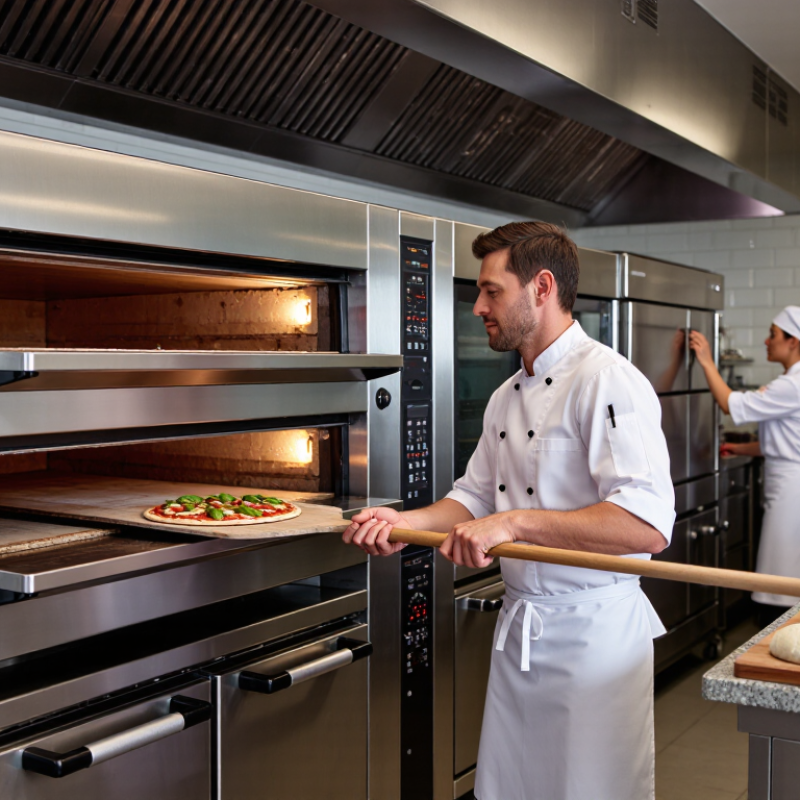
Understanding How a Pizza Deck Oven Works
A pizza deck oven transfers heat in three ways. The hot deck conducts heat into the dough, the upper elements radiate heat onto the toppings, and circulating air helps even the bake. The deck stores heat between pizzas, but opening the door can lower the chamber temperature. Recovery time matters during a rush. The National Restaurant Association’s 2024 State of the Restaurant Industry report projected U.S. restaurant sales of $1.1 trillion, a reminder that reliable kitchen throughput has real operational value. That figure does not tell an operator which oven to buy; menu, volume, and workflow still matter.
Tips: Check the deck and chamber temperatures separately with suitable instruments. A thermostat reading alone may hide uneven heat. Watch the crust color, cheese melt, and bake time across several positions. Small differences can matter.
Leave space between pizzas so heat can reach each one. Keep a simple log of settings and results. It may feel fussy, but it helps reveal patterns. And be willing to question the “ideal” setting: dough thickness, toppings, and room conditions can change the bake.
7 Tips for Choosing the Best Pizza Deck Oven – Understanding How a Pizza Deck Oven Works
| Tip | What to Evaluate | How a Deck Oven Works | Practical Check |
|---|---|---|---|
| 1. Match the oven to your pizza style | Consider crust thickness, bake time, toppings, and the results you want. | The deck transfers heat directly to the pizza base, while heat from the oven chamber cooks the toppings and crust surface. | Test your own dough and toppings at the intended temperature; a short demonstration with a different recipe may not predict your results. |
| 2. Check deck material and heat distribution | Ask about the deck surface, heat zones, and how evenly the oven bakes across its usable area. | A heated deck stores and transfers heat to the dough. The deck surface and heating arrangement affect base browning and baking consistency. | Bake pizzas in different positions and compare their bases. Follow the manufacturer’s instructions for cleaning and protecting the deck. |
| 3. Size capacity for your real workload | Compare the usable deck dimensions with your pizza diameter and expected peak orders. | Each pizza occupies deck space and needs room for loading, turning, and removal. The number that fits depends on the pizza size and layout. | Ask for usable interior dimensions, not just exterior measurements. Confirm the proposed layout with pizzas of your actual size. |
| 4. Verify temperature range and recovery | Check that the oven can reach your recipe’s target temperature and recover between successive loads. | Loading cold dough draws heat from the deck. The oven’s heating capacity and controls determine how quickly it restores the set conditions. | Ask how temperature is measured and test repeated bakes during a busy service simulation, rather than relying only on the displayed set point. |
| 5. Choose fuel and utilities that fit the site | Compare available electric or gas models, required connections, ventilation, and local installation rules. | Electric elements or gas burners supply heat to the oven chamber and deck, but installation needs vary by model and location. | Have a qualified installer confirm electrical load or gas supply, clearances, ventilation, and applicable code requirements before purchase. |
| 6. Compare controls and operator workflow | Look for controls that staff can use consistently, including clear temperature settings and independent chamber controls where needed. | Controls regulate heat input; separate chambers or independently controlled zones can help accommodate different baking needs. | Ask staff to operate the controls during a demonstration. Confirm whether settings are easy to read, adjust, and reproduce across shifts. |
| 7. Plan for cleaning, service, and total cost | Review cleaning access, maintenance requirements, warranty terms, service availability, and energy use. | Regular care helps keep the deck and heating components in good condition; service needs depend on the oven’s design and fuel type. | Request the maintenance schedule and operating documentation. Compare installation and ongoing costs as well as the purchase price. |
Note: Oven performance, installation requirements, and recommended operating temperatures vary by model. Confirm specifications with the manufacturer and a qualified installer.
Related Posts
-

Best Wood Oven Pizza Recipes for Perfect Homemade Flavor
-
Why Choose a Pizza Deck Oven for Your Restaurant Needs?
-
2026 How to Choose the Best Oven for Pizza Baking?
-
What is an Oven Pizza and How is it Made?
-
What Are the Top Pizza Stove Types for Global Buyers?
-

How to Choose the Right Bakery Deck Ovens in 2026?