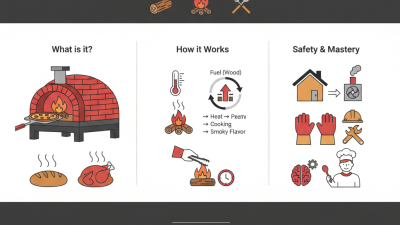
Best Wood Burning Oven for Home Cooking and Baking?
When it comes to home cooking and baking, the right equipment makes all the difference. Among various options, the wood burning oven stands out. Renowned culinary expert Marco Pierre White once said, "Cooking with fire brings out the soul in food." This notion encapsulates the unique experience of using a wood burning oven.
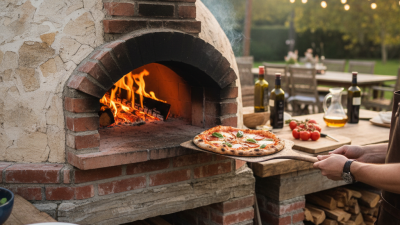
A wood burning oven offers an unparalleled flavor profile. It imparts a smoky essence that enhances many dishes. The intense heat from the wood creates a perfect crust on pizzas and breads that is often hard to replicate with conventional ovens. However, mastering this method can be challenging. It demands practice and patience to learn how to manage the fire effectively.
Moreover, the wood burning oven's aesthetic charm adds warmth to any kitchen or outdoor space. Yet, it often requires maintenance and care that homeowners might overlook. Understanding the nuances of wood selection, temperature control, and cleaning can elevate your cooking experience. Investing time in these aspects can yield delicious rewards, but it also necessitates a willingness to learn and adapt.
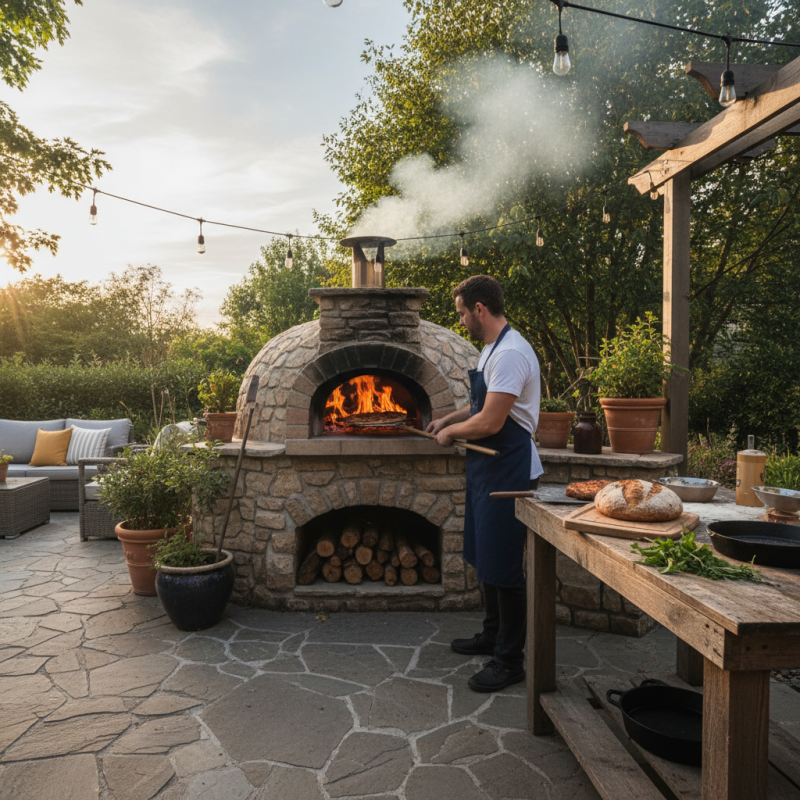
Types of Wood Burning Ovens: An Overview for Home Cooking
Wood burning ovens have gained popularity for home cooking. They provide unique flavors and cooking styles. Understanding the types can enhance your culinary experience.
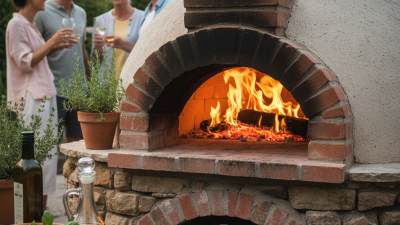
There are several types of wood burning ovens. Traditional domed ovens are common. They create a consistent heat, perfect for pizzas and bread. They often take time to heat up but offer excellent results. Portable models are another option. They are easy to set up and great for fun outdoor gatherings.
Each type presents its challenges. Traditional ovens require space and maintenance. Portable ovens may not deliver the same smoky flavor. Choices depend on personal needs. Factors like space, cooking style, and desired flavor play a role. Experimentation can lead to surprising results. It's essential to consider your cooking habits.
Key Features to Consider When Choosing a Wood Burning Oven
Choosing a wood-burning oven for home cooking and baking involves several critical factors. An ideal oven should have good insulation, ensuring consistent heat. Quality materials, like thick steel or refractory bricks, enhance durability. This helps retain heat longer, making your baking more efficient. Additionally, an oven that reaches high temperatures allows for authentic pizza crusts and artisan bread.
Another vital feature is the size. Consider your cooking needs and available space. A larger oven accommodates more dishes but may require a bigger space. Remember the size of your wood storage; it should align with your oven’s capacity. You’ll also want to look for vents and dampers. These features help control airflow, improving combustion and ensuring better cooking results.
Don’t overlook the aesthetic aspect. A beautiful design can enhance your outdoor or kitchen space. However, functionality should remain your primary focus. Think about ease of cleaning too. Some ovens come with easily removable ash trays. This can save you a lot of time. Reflect on your cooking habits as well. What will you be baking or roasting? This thought process will guide you in making the right choice.
Best Materials for Wood Burning Ovens: Wood Types and Construction
When considering the best materials for wood burning ovens, understanding wood types is essential. Not all woods yield the same results. Hardwoods like oak and hickory provide long burn times and consistent heat. They also impart a rich flavor to your food. Softwoods, such as pine, ignite quickly but burn faster. This leads to uneven cooking and can cause excessive smoke.
Construction material is equally important. Firebrick and stone are reliable choices. They retain heat well, ensuring even cooking temperatures. They can withstand intense heat without cracking. Some may choose to use clay as a cost-effective option. Clay may not hold heat as efficiently, leading to potential heat loss. It’s a good idea to consider the longevity and thermal efficiency of your oven.
Selecting the right wood type and construction material impacts overall performance. Reflect on your cooking habits and preferences. Assess whether you prioritize flavor or convenience. Your choices should align with your culinary goals and the types of meals you want to create. Balancing these elements is crucial for a satisfying wood burning oven experience.
Best Wood Burning Oven for Home Cooking and Baking
| Oven Type |
Best Wood Types |
Construction Material |
Temperature Range (°F) |
Cooking Time (minutes) |
| Brick Oven |
Oak, Maple |
Firebricks, Clay |
600 - 800 |
15 - 20 |
| Steel Oven |
Hickory, Birch |
Stainless Steel |
500 - 700 |
10 - 15 |
| Portable Oven |
Cherry, Maple |
Lightweight Steel |
450 - 600 |
8 - 12 |
| Cobb Oven |
Pine, Cedar |
Mud, Straw |
400 - 500 |
20 - 30 |
Cooking Techniques and Recipes for Wood Burning Ovens
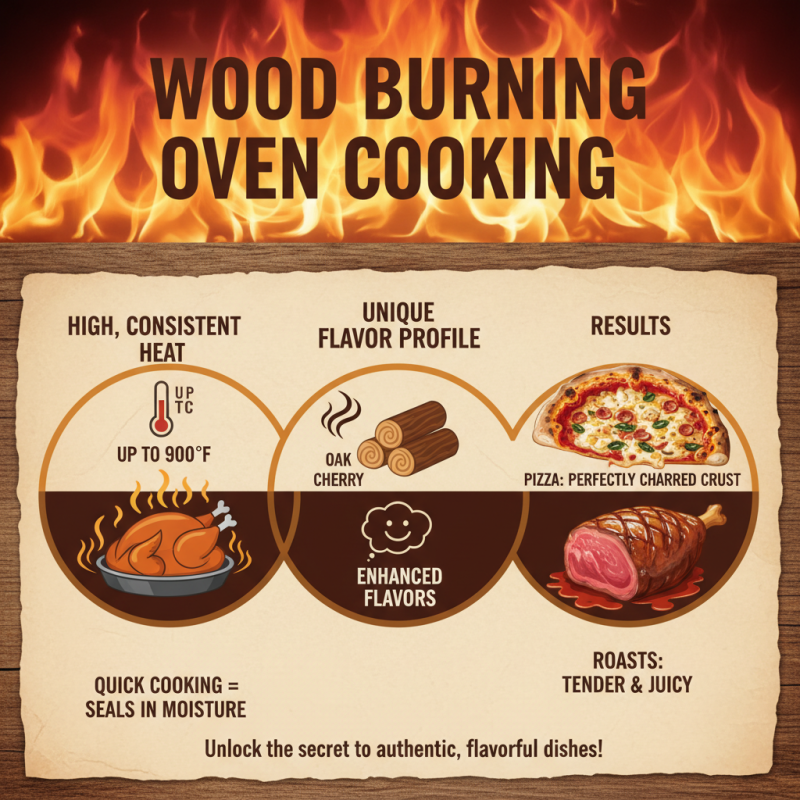
When exploring wood burning ovens, understanding cooking techniques is key. These ovens create a unique flavor profile due to their high, consistent heat. Wood burning ovens can reach temperatures of up to 900°F. This high heat allows for quick cooking, sealing in moisture and enhancing flavors. Cooking pizza in such an oven results in a perfectly charred crust, while roasts become tender and juicy.
Using a wood burning oven requires specific techniques. For instance, preheating is essential; it ensures even cooking. Management of the wood is also critical. Different woods impart distinct flavors. For example, applewood offers fruity notes, while hickory provides a robust flavor. A survey by the Hearth, Patio & Barbecue Association states that 74% of home cooks consider wood-fired flavor superior to traditional methods.
Tips: Always keep a close eye on the oven temperature, as fluctuations can affect cooking time. Invest in a good thermometer. Experimentation is encouraged; not all recipes will work perfectly on the first try. Learning curve ahead! Cooking with a wood burning oven can be a rewarding experience, but it may take time to master.
Maintenance Tips for Prolonging the Life of Your Wood Burning Oven
Maintaining a wood burning oven requires attention and care. Regular cleaning is essential to ensure optimal performance. Ash should be removed after each use to prevent buildup, which can affect airflow. It’s important to keep the oven's interior free from soot and debris. A simple brush can do the job efficiently.
Check the oven structure for cracks or damage. These can worsen over time if neglected. Using high-quality firewood can help reduce creosote buildup. Hardwoods tend to burn cleaner than softwoods. It’s also wise to monitor the temperature; overheating can warp components and decrease the oven's lifespan.
Seasonal inspections can be beneficial. Before winter, ensure all parts are in good condition. This can prevent unexpected breakdowns. Wood burning ovens require commitment and care. There are occasional challenges, but the rewards are significant. Every step taken for maintenance makes a difference.