Best Electric Oven for Baking How to Choose the Right One?
When it comes to baking, having the right tools can make all the difference. An electric oven for baking is a popular choice for both professional chefs and home bakers. Choosing the perfect model can be daunting. With various features and styles available, it's crucial to find one that fits your specific needs.
Many factors influence your decision. Consider size, temperature control, and even energy efficiency. Each feature plays a role in your baking journey. A well-designed electric oven for baking offers consistent heat, helping you achieve perfect results every time. However, not every oven is created equal, and some may not meet your expectations.
Reflecting on user experiences is invaluable. Some people may struggle with uneven baking or difficulty understanding temperature settings. These reflections highlight the importance of research before making a purchase. The right electric oven for baking can elevate your culinary skills. Yet, exploring options and learning from others' experiences is key to finding your ideal match.
Understanding the Basics of Electric Ovens for Baking
When choosing an electric oven for baking, understanding its fundamental aspects is essential. Electric ovens provide even heat distribution, crucial for baked goods. This consistency allows cakes and cookies to rise evenly. Temperature control is another vital feature. Precise temperature settings enhance the baking process. An inaccurate oven can ruin a recipe.
Consider the oven's size and capacity. A larger oven can accommodate multiple trays, which is beneficial for batch baking. However, a compact model can be ideal for small kitchens. Additionally, some ovens come with convection options. This feature circulates hot air, leading to quicker and more uniform cooking.
Features such as self-cleaning and digital displays can add convenience. Yet, it's wise to question if you really need these extras. More features often mean more complexity. Ultimately, personal baking habits should guide your choice. Reflect on your baking style and determine what you truly need.
Key Features to Look for in an Electric Oven
When selecting the best electric oven for baking, certain key features should take precedence.
Temperature control is crucial. An oven that maintains consistent heat is essential for perfect results.
Look for models with digital displays. They provide clear feedback on the temperature and bake time.
This ensures you won't accidentally over-bake your goods.
Another important feature is the oven's capacity. A spacious interior allows for larger batches and bigger items, like cakes or roasts.
But keep in mind, larger ovens can consume more energy. Size should align with your cooking habits.
Additionally, consider the oven's preheating time. Some units heat up quickly, while others may leave you waiting.
Although convection options are popular, they may not be ideal for every baker.
Sometimes, traditional heat offers better results for delicate pastries.
Explore how different heating elements work. Understanding these can enhance your baking experience.
Evaluate your needs and carefully weigh the pros and cons of each feature. Pay attention to the details that matter most for your baking style.
Types of Electric Ovens Suitable for Baking
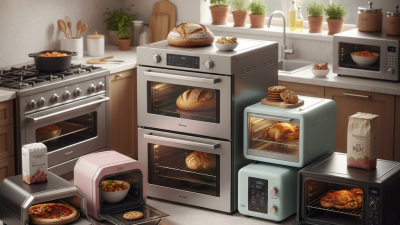
When it comes to baking, not all electric ovens are created equal. Understanding the different types of electric ovens can greatly enhance your baking experience. Convection ovens are popular among bakers. They use a fan to circulate hot air, ensuring even baking. This can help achieve that perfect rise on baked goods, like cakes and cookies.
Another option is the traditional or standard electric oven. These typically offer consistent heat distribution without a fan. They are ideal for slower baking processes. However, some find the results less even than in convection models. It’s also essential to consider an oven with a good temperature range. Some bakers prefer lower temperatures for specific recipes.
Then, there are combination ovens. These provide both baking and broiling capabilities. They can be incredibly versatile but require careful temperature management. Bakers must pay close attention to how the oven behaves. Observing how your baked goods turn out can guide future baking decisions. The right choice ultimately depends on your baking style and preferences. Experimentation can lead to impressive results.
Evaluating Size and Capacity for Your Baking Needs
When selecting an electric oven for baking, size and capacity are crucial. Consider your kitchen space and what you typically bake. A small oven may suit novice bakers, while serious enthusiasts often require more room for larger dishes. Measure your countertop space to ensure a proper fit.
Choose an oven that accommodates your baking sheets and pans. If you often bake multiple trays at once, look for a larger capacity. Remember that baking requires even heat distribution. An oven that’s too small might struggle to achieve this.
Tips: Always check the internal dimensions. This can help you plan your baking project more effectively. Consider the types of baked goods you make most often. Sometimes, a smaller model can feel limiting after a few months. Think realistically about your routine.
Reflect on your baking habits. If you enjoy trying new recipes, a larger oven might inspire creativity. You may find that an extra inch can allow for a special cake or batch of cookies. Balancing size and efficiency will enhance your baking experience.
Best Electric Oven for Baking - Evaluating Size and Capacity for Your Baking Needs
| Oven Type |
Size (Cu. Ft.) |
Rack Capacity |
Baking Temperature Range (°F) |
Special Features |
| Countertop Oven |
0.5 - 1.5 |
1-2 racks |
200 - 500 |
Convection, Timer |
| Wall Oven |
4.0 - 6.0 |
2-4 racks |
200 - 550 |
Smart Cooking, Self-Cleaning |
| Freestanding Oven |
4.5 - 5.5 |
2-3 racks |
200 - 500 |
Convection, Delay Start |
| Toaster Oven |
0.5 - 1.2 |
1 rack |
150 - 450 |
Broil, Toast, Keep Warm |
Comparing Popular Brands and Models of Electric Ovens
When choosing an electric oven for baking, several popular brands and models stand out. Each brand offers unique features catering to different baking needs. For instance, some models have convection settings that promote even heat distribution. This can enhance the quality of baked goods, particularly for items like pastries and bread.
Consider the size and capacity of the oven. Some models are compact and perfect for small kitchens. Others provide more interior space for larger baking projects. It’s essential to reflect on your baking frequency and the types of dishes you enjoy. Will you bake everyday treats or special occasion cakes?
Energy efficiency is another critical aspect. Some ovens focus on lower energy consumption, saving on utility bills. Meanwhile, certain brands emphasize durability and longevity. However, be cautious; cheaper models may sacrifice performance or reliability. Ultimately, finding the right balance between quality and cost is vital. It's worth taking the time to assess your options carefully.