What is a Bakery Proofer and How Does it Improve Baking?
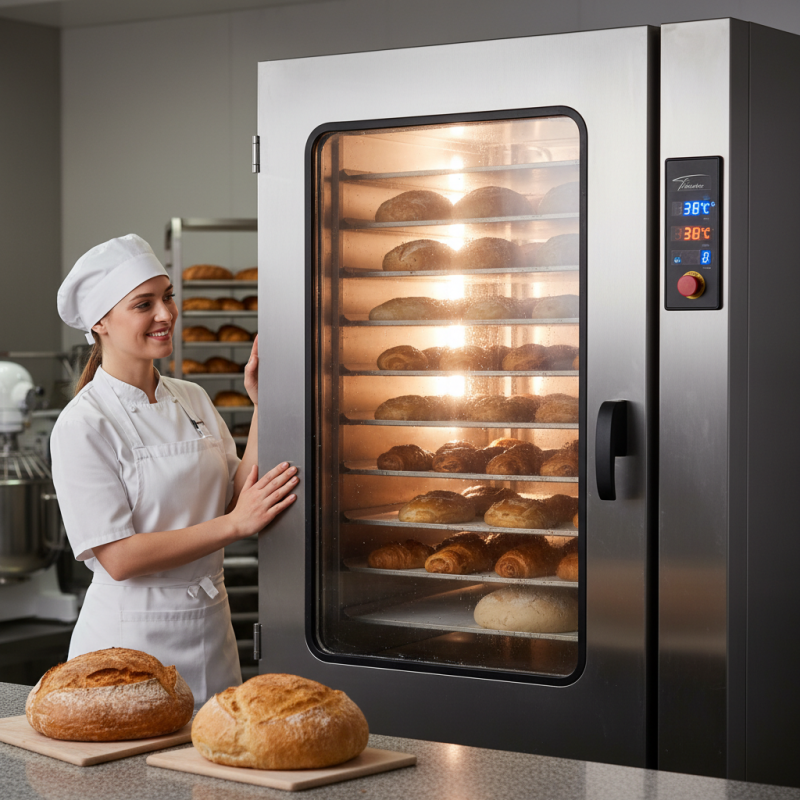
The bakery proofer is an essential tool in the baking industry. It provides a controlled environment for yeast dough to rise properly. This controlled process results in lighter and fluffier baked goods. Many bakers struggle with achieving consistent rise and texture in their products.
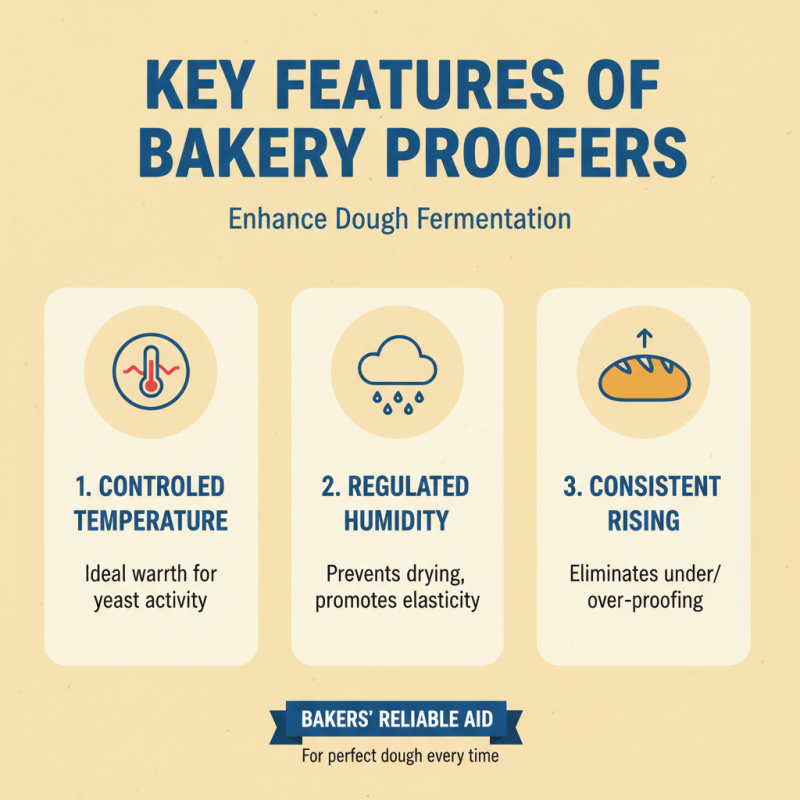
By utilizing a bakery proofer, bakers can maintain ideal temperature and humidity levels. These conditions are crucial for yeast activity. Improper proofing can lead to dense bread or stubborn dough. The proofer helps to eliminate those issues, ensuring higher quality results.
Investing in a bakery proofer can greatly enhance the baking process. However, not all proofers are created equal. Bakers must consider features that suit their specific needs. The right proofer can make a significant difference in the final product.
What is a Bakery Proofer and Its Purpose in the Baking Process
A bakery proofer plays a critical role in the baking process. It provides a controlled environment for dough to ferment and rise. This environment normally includes regulated temperature and humidity levels. According to the American Bakers Association, optimal proofing conditions can enhance yeast activity by up to 30%. This means a quicker and more efficient rise.
During proofing, dough requires precise humidity levels. Dry air can lead to crust formation, which inhibits proper rising. A study from the Institute of Food Technologists indicates that dough in well-humidified environments results in a more consistent texture and superior flavor. Bakers often find it challenging to maintain these conditions without a proofer.
However, using a proofer is not foolproof. Over-proofing can occur, leading to weak gluten structure and collapse. This delicate balance is why many bakers continuously monitor their dough. Adjustments often depend on ambient conditions, which can differ each day. Not every batch behaves the same, requiring careful observation and experience to achieve the desired results.
Different Types of Bakery Proofers: A Comparison Guide
When exploring bakery proofers, understanding the various types can significantly enhance the baking experience. A proofer creates the ideal environment for fermentation. The most common types include cabinet proofers, deck proofers, and countertop proofers. Each has unique features suited for different needs.
Cabinet proofers are perfect for high-volume operations. They provide consistent temperature and humidity control. Deck proofers are great for those needing a combination of proofing and baking in one unit. Countertop proofers are compact. They are ideal for small bakeries or home use. According to industry reports, bakeries experience a 20% increase in product quality when using these machines.
Tips: Invest in a digital thermometer. It ensures precise temperature readings, essential for successful proofing. Regularly check humidity levels, as too much moisture can lead to soggy dough. A well-calibrated proofer can be the difference between a mediocre loaf and an exceptional one. Additional research highlights that understanding your specific baking environment is crucial. It can prevent common pitfalls like over-proofing or under-proofing dough. Making the right choice based on your needs will yield better baking results.
What is a Bakery Proofer and How Does it Improve Baking? - Different Types of Bakery Proofers: A Comparison Guide
| Type of Proofer |
Temperature Range (°F) |
Humidity Control |
Capacity (Batches) |
Best For |
| Standard Proofer |
70 - 115 |
Adjustable |
5 - 10 |
Bread & Pastries |
| Bench Proofer |
65 - 100 |
Low Control |
1 - 3 |
Small Batch Dough |
| Pass-Through Proofer |
70 - 120 |
Automatic |
10 - 20 |
High Volume Production |
| Retarder Proofer |
35 - 75 |
High Control |
5 - 15 |
Next-Day Bakes |
| Smart Proofer |
60 - 130 |
Digital Control |
1 - 10 |
Versatile Baking Needs |
Benefits of Using a Bakery Proofer for Home and Professional Bakers
A bakery proofer is an essential tool for both home and professional bakers. It creates a controlled environment for dough fermentation.
Temperature and humidity are critical. When these elements are regulated, yeast activates properly.
This leads to better rising and superior texture. For instance, bread rises more evenly in a proofer.
Using a proofer enhances bread quality. Dough can be proofed consistently. This means fewer failures in baking projects.
Bakers often find that their products are fluffier and have a nice crust. Some bakers, however, still rely on the ambient kitchen environment.
This can lead to unpredictable results.
Another benefit is time efficiency. A proofer can speed up the proofing process. This is valuable in a busy kitchen.
However, some bakers might struggle initially to adjust their recipes to this faster method.
Proper temperature settings are essential to avoid over-proofing. Maintaining the right humidity also matters greatly.
Finding the sweet spot can take some practice.
Best Practices for Operating a Bakery Proofer Effectively
A bakery proofer plays a crucial role in the baking process by providing an ideal environment for dough fermentation. Proper temperature and humidity levels can significantly enhance yeast activity, leading to improved flavor and texture in baked goods. However, achieving these conditions is not always straightforward. Here are some best practices for effectively operating a bakery proofer.
One essential tip is to monitor the internal temperature and humidity regularly. A uniform climate will promote even rising of the dough. Make adjustments as necessary, especially during different times of the year. Consider using a thermometer and hygrometer for accurate readings. Additionally, consider the size of your dough batches. Larger quantities may require more space and airflow to rise properly.
Another practice involves maintaining cleanliness within the proofer. A buildup of residue can lead to undesirable odors and affect dough quality. Ensure you clean the proofer regularly, paying attention to the shelves and surfaces. Finally, learn to communicate with your dough. Some batches may not rise as expected. Reflect on temperature settings, dough hydration, or even mixing times. Adjust as needed for future batches. This ongoing evaluation is key to continuous improvement.
Impact of Bakery Proofer on Dough Fermentation Time