2026 Best Wine Clarification Methods for Global Buyers?
Global wine buyers need more than a bright bottle and a clear laboratory sample. They need reliable wine clarification methods that protect aroma, stability, compliance, and commercial value across different markets. This guide examines bentonite, gelatin, isinglass, pea protein, activated carbon, membrane filtration, and cold stabilization.
Dr. Bruce Zoecklein, a respected wine scientist, described fining as “the addition of a substance to wine to remove unwanted compounds.” His observation remains practical. Clarification is not simply a cosmetic step. It can reduce haze-forming proteins, soften excessive phenolics, or improve visual consistency before bottling. Yet every method changes the wine in some way.
Experienced producers normally begin with bench trials, not full-tank treatment. A small glass test may reveal aroma loss, color reduction, or weak sediment formation. Those details matter when buyers compare Sauvignon Blanc from New Zealand, red blends from Chile, or delicate Riesling from Germany. Results also depend on pH, temperature, grape variety, alcohol, and storage conditions.
There is no universal winner. Sometimes the clearest wine is not the most expressive one. That is an uncomfortable trade-off. A treatment may solve turbidity while removing texture that customers value. Global buyers should therefore request dosage records, allergen statements, filtration data, sensory results, and stability reports. Supplier documentation helps, but it does not replace independent verification.
This 2026 overview considers technical performance, sensory risk, processing cost, sustainability, and market expectations. It also recognizes an imperfect reality: clarification trials can fail, regional practices differ, and clearer wine is not automatically better wine.
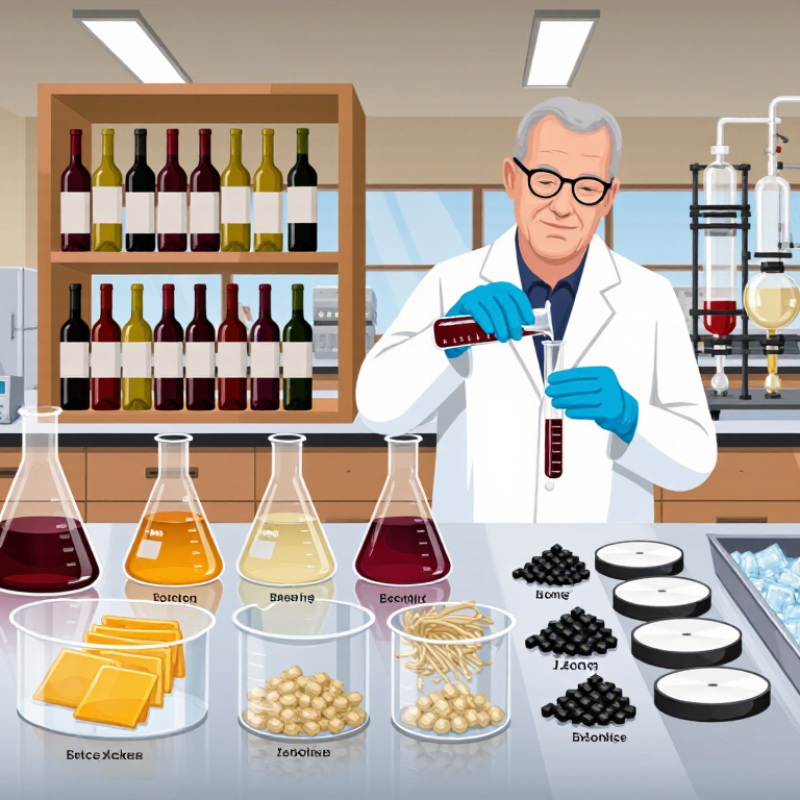
What Wine Clarification Means and Why It Matters in 2026
Wine clarification is the controlled removal of suspended solids, proteins, tannins, and other colloids before bottling. It is not simply making wine look bright. Poorly clarified wine can develop sediment, protein haze, or filtration problems during transport.
The scale is significant. The International Organisation of Vine and Wine reported global production of about 237 million hectolitres in 2023. At that volume, small process failures can become costly claims. Clarification choices also affect aroma, texture, and buyer acceptance. Settling and racking are gentle, but they require time and stable cellar conditions. Centrifugation works faster. Cross-flow filtration can reduce filter waste, although it may need careful pressure control. Bentonite remains useful for heat-unstable proteins, while plant-based fining agents can support buyers seeking animal-free processing.
Evidence matters more than appearance. The Australian Wine Research Institute recommends combining visual checks with turbidity, protein-stability, and filtration trials. A clear sample is not always stable. I have seen wines look brilliant in a tank, then form haze after warming. That is an uncomfortable lesson.
For export lots, producers should record turbidity, dissolved oxygen, fining dosage, contact time, and filter performance. OIV technical standards also reinforce the need for controlled, traceable cellar practices. Buyers should request laboratory results and retain samples from each lot. No method fits every wine. Over-fining can strip freshness and mouthfeel, while under-clarifying can create avoidable instability.
2026 Best Wine Clarification Methods for Global Buyers
What wine clarification means and why it matters in 2026
Clarification removes suspended solids, colloids and haze-forming compounds before or after fermentation. The 1–5 ratings are an indicative technical decision matrix, not market-share data: higher scores represent stronger performance for the named attribute. Depth filtration and cross-flow membrane filtration provide consistent physical solids removal, while bentonite is widely used for protein stabilization. Actual results depend on grape variety, wine composition, equipment and operating conditions.
Reference framework: OIV guidance on wine treatment practices and filtration; practical winemaking guidance from the Australian Wine Research Institute.
The Main Wine Clarification Methods Used by Global Buyers
2026 Best Wine Clarification Methods for Global Buyers?
The Main Wine Clarification Methods Used by Global Buyers
Global wine buyers usually compare clarification methods by clarity, aroma retention, cost, and market requirements. Gravity settling remains common for gently removing heavy particles after fermentation. It needs time, stable temperatures, and suitable tank space. Centrifugation works faster and supports large-volume production, but poor settings may reduce desirable texture.
Fining uses carefully selected agents to reduce haze, bitterness, or excess tannin. It can improve a wine quickly, although over-fining may flatten its character. Filtration provides predictable brilliance before bottling, with depth, membrane, and cross-flow options. Each system has trade-offs involving flow rate, waste, energy use, and microbial control. In cellar trials, I have found that a bright sample is not always the best sample. Sensory checks still matter.
Tips: Ask suppliers for turbidity targets, filter specifications, allergen statements, and treatment records. Request small trial lots before approving a full shipment. Compare the wine immediately, after storage, and after transport simulation. Keep records of temperature, oxygen exposure, and filtration pressure. A method that succeeds in one region may perform differently elsewhere. Buyer specifications should reflect local labeling rules and consumer expectations.
How to Select Clarification Methods for Different Wine Styles
Selecting Clarification Methods for Different Wine Styles
Clarification should begin with the wine, not a fashionable processing trend. During cellar trials, I compare turbidity, aroma retention, and filterability before choosing a treatment.
Crisp white wines often need gentle protein stabilization and careful fining. Excessive clarification can strip citrus notes and reduce texture.
A small bench trial in a 100-milliliter cylinder can reveal changes within 24 hours. It is simple, but not always predictive.
For aromatic whites
For aromatic whites, low-impact fining or flotation may preserve delicate floral compounds. Cold settling can work well when grapes arrive clean and sound. However, heavy lees may bring unwanted vegetal notes.
Rosé
Rosé usually benefits from bright appearance and fresh fruit expression. Use restrained fining, then test membrane or depth filtration. Check dissolved oxygen after each transfer. Color loss is easy to miss until the bottle is opened.
Red wines
Red wines need different priorities. Tannins, pigments, and structure must remain balanced. Gentle settling may be enough for a young, fruit-driven red. Fuller reds can require staged clarification after maturation.
Rough filtration may polish the wine too aggressively. I have seen a visually brilliant sample taste thinner than its unfiltered control. That result deserves attention, not dismissal.
Measure protein stability, haze risk, alcohol, and pH under realistic storage conditions. Local regulations and export specifications also influence the final method.
Global Buying, Compliance, and Quality Control Considerations
2026 Best Wine Clarification Methods for Global Buyers
Global buyers should assess clarification by market, wine style, and legal documentation. Bentonite can reduce protein haze, while cross-flow filtration supports bright, stable wines with limited product contact. Gentle settling may protect aroma, but it needs more tank space and patience.
Practical cellar trials matter. A small sample can reveal whether filtration strips texture or freshness. Ask suppliers for treatment records, dosage details, allergen statements, and analytical results. Turbidity readings, protein stability tests, and dissolved oxygen data provide useful evidence. Numbers help.
Compliance varies across importing regions. Confirm permitted processing aids, labeling duties, and allergen declarations before shipment. Animal-derived agents may create labeling or vegan-market concerns, even when residues are minimal. Requirements can change. Recheck them.
Quality control should continue after clarification. Inspect retained samples at bottling, during transport, and after warm storage. A clear wine at the cellar may develop haze inside a hot container. That detail is easy to miss. Packaging, closure choice, and sulfur management also influence stability.
Buyers should avoid choosing the strongest treatment automatically. Excessive clarification may flatten aroma and reduce mouthfeel. However, under-treatment can cause complaints, returns, or rejected lots. The best method is often a compromise, not a perfect answer. Some trial records may be incomplete, so suppliers should acknowledge uncertainty rather than hide it. Reliable purchasing depends on transparent evidence, current compliance checks, and repeatable sensory evaluation.

